Subcommittee Meets on Sports Betting Rise on College Campuses
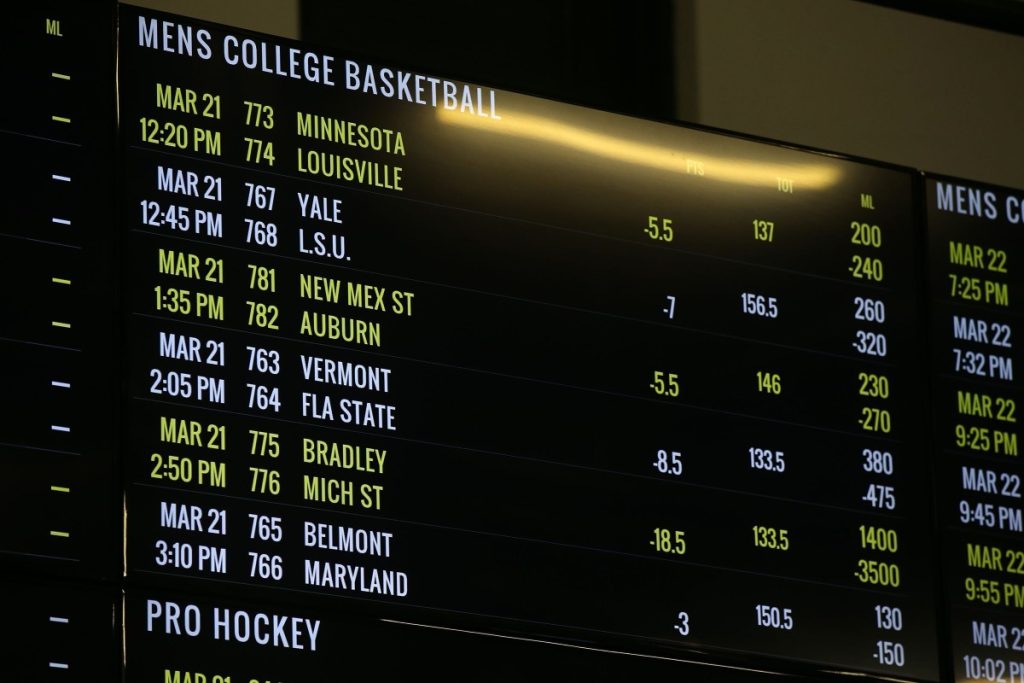
The rise of sports betting on U.S. college campuses is to be discussed in a House subcommittee meeting today.
The House Subcommittee on Higher Education and Workforce Development meets later to discuss the “Rise of Sports Gambling on College Campuses”. It’s being chaired Rep. Burgess Own (R-UT) and will be live-streamed on YouTube.
The meeting will explore how sports betting has slowly crept onto college campuses and its effects on students and sportspeople in general.
The meeting comes amidst something of a crunch time for college sports and betting. There is more betting on college sports, and harassment of sportspeople is on the rise. Some colleges are also starting to provide in-game data to sportsbooks.
Betting Activity, Harassment Under Discussion
The subcommittee meeting takes place 10.15 a.m. today at the Rayburn House Office Building in Washington D.C.
Congress members will discuss the rise and impact of betting on college campuses. It’s likely to encompass both the rise of betting among students, but also the effect gambling has on college sports.
Viewers can watch the subcommittee meeting live on YouTube, they confirmed.
Betting on College Campuses
- Around 67% of on-campus students have bet on sports, the NCAA says.
- Sports betting now legal in around three quarters of U.S. states.
- College sports betting is legal, though many states ban wagering on home teams where gamblers live.
- There have been moves to crack down on college sports player props and abuse of sportsmen and women.
NY Among States to Curb On-Campus Betting
Some states are already moving to limit betting by students. In 2025, New York Senator Andrew Gounardes introduced a bill S 10470 to ban wagering at all college campuses across the state. The bill was referred to the Senate Racing, Gaming and Wagering Committee in May.
A month later, Pennsylvania Rep. Jason Ortitay (R-Washington) put forward a memorandum to block online gambling sites at schools.
Multiple Moves to Limit College Sports Bets
College sports betting has been legal in multiple states ever since the Supreme Court opened the way for states to regulate their own betting industries.
However, many states have imposed limits on what can and can’t be wagered on. Some states ban customers from betting on college teams when playing in their home state. Other states, including Maryland and Ohio, impose a complete ban on individual player prop bets for college basketball and other games.
However, the continued rise in prop bets – wagers on individual player performances – has met with resistance from some states.
The NCAA has been warning about the inherent risks of college sports betting for a few years. Indiana nearly banned prop betting on college sports. However, it ultimately delayed the decision. Louisiana did ban prop bets featuring college players back in August.
More Universities Collect In-Game Data
The marriage between college sports and betting shows no sign of souring. Last month, Utah State University installed cameras to capture live data on its basketball games.
USU has installed 12 cameras to catch accurate live data for use at online sportsbooks. Leading game data provider Genius Sports is a partner in the data capture deal.
An Authorized Gaming Operator (AGO) program will be set up to provide transparency between Pac-12 college teams and online sportsbooks. Banned gamblers will also be stopped from making wagers.
Moves to Stop Player Harassment
College sportsmen and women have been subject to an increased amount of harassment since sports betting legalized. It’s an area to be discussed by the House Subcommittee and something some states are keen to stamp out.
In May, Louisiana’s Sen. Mike Reese (R-Leesville) introduced Senate Bill 325 to punish anyone caught harassing players. The move came in reaction to notable cases of harassment from angry gamblers following an adverse result.
In 2023, Louisiana State women’s basketball player Angel Reese received death threats after the team took down the national title.
Player prop bets and harassment go hand in hand, especially if that player doesn’t achieve the desired points total or rushing yards. It will be interesting to see what recommendations the House Subcommittee on Higher Education and Workforce Development ultimately makes.
-
Subcommittee Meets on Sports Betting Rise on College Campuses
-

Next James Bond Prediction Markets: Robert Pattinson Takes Shock Lead in 007 Race
-

Cashoomo Is Offering 175% More Coins This Fall: Here's What $19.99 Gets You
-

Have You Seen SLASH Yet? Monstrums' New Game Is Only Available at Stake
-

New York Posts New US Record For Monthly Sports Betting Handle
-

Fliff Promo Code TLCBET: TNF Week 10 Betting