Seminole Tribe Sues DraftKings, Alleges Illegal Florida Sports Betting
The rise of prediction markets opened the door for DraftKings to enter Florida sports betting — and the Seminole Tribe of Florida wants the sportsbook to make a quick exit.
The Seminole Tribe filed a lawsuit against DraftKings, alleging that its prediction markets in the Sunshine State violate their exclusive right to offer sports betting in Florida. The tribe has requested an injunction against DraftKings, which would restore the Seminoles’ exclusivity in gambling in the state.
The case could prove yet another data point in the fight over prediction markets and whether they constitute gambling. In this instance, this could provide some of the strongest evidence yet as to how the courts might rule.
That’s because this is the first time that a traditional sportsbook has sat in the role of the prediction market operator. In other lawsuits, states have sued Kalshi, Polymarket and other prediction markets. None of those operators ever offered a traditional sportsbook, exclusively offering event contracts.
DraftKings, however, is different. It offers legal sports betting in 26 states plus the District of Columbia. It also offers prediction markets in those states, setting up a built-in comparison of the two offerings.
What Is the Dispute Over Florida Sports Betting?
Gambling in Florida has been the exclusive domain of the Seminole Tribe of Florida ever since 1980. That control has been strengthened twice in the past 10 years. In 2018, voters in Florida passed Amendment 3 to the Florida Constitution, which prevents anyone but the Seminole Tribe from opening a casino in Florida without passing a new statewide amendment.
In 2021, Gov. Ron DeSantis signed an exclusive compact to allow Florida sports betting through the Seminole Tribe. Essentially, the Tribe set up a server on its land, which anyone in the Sunshine State could connect to. In that manner, the tribe could offer statewide legal sports betting.
That compact sits at the heart of the dispute. The 30-year deal signed with DeSantis gave the tribe a monopoly on sports betting in Florida through 2051. That’s why DraftKings had to go for the prediction market model in Florida: the compact explicitly states the only sportsbook permitted to operate is the Seminole Tribe’s own Hard Rock Bet.
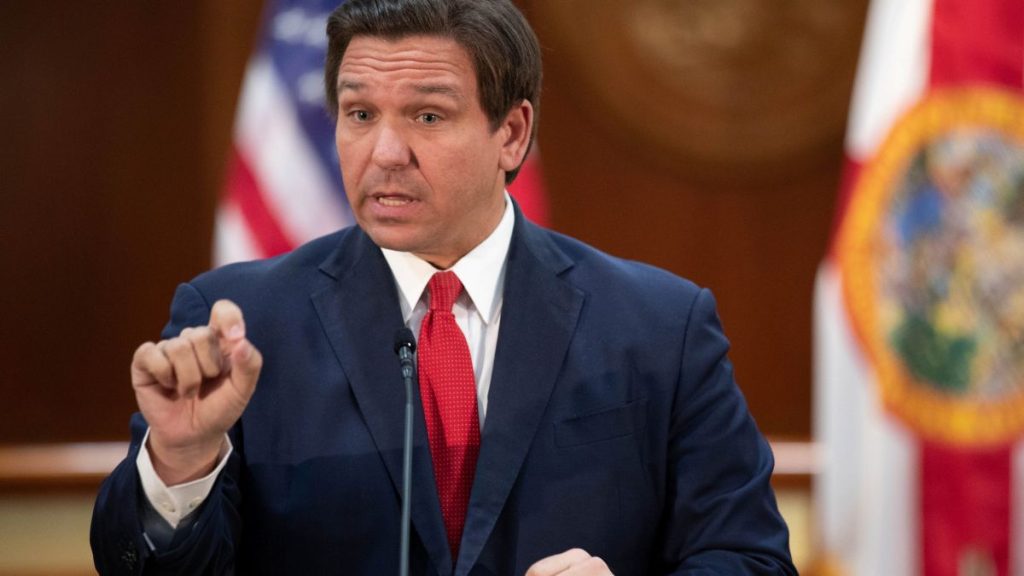
DeSantis said on Oct. 8 that he had yet to look at the lawsuit. However, he suggested that the compact favored the Seminole Tribe.
“They were given the purview on the sports betting," he said. "I haven't read the thing, but I think our agreement clearly contemplated that they would have the ability to run this in Florida.”
How Could This Lawsuit Provide a Precedent?
The arguments DraftKings uses regarding its status in Florida could shape similar cases. To win the case, DraftKings must prove a significant difference between its two offerings. That could be tricky, because DraftKings’ app automatically switches between a sportsbook and a prediction market when it detects what state the user is in. For example, if a Florida user crosses into North Carolina, DraftKings will switch from prediction markets to its sportsbook.
If DraftKings can successfully argue that it is not legally Florida sports betting, other prediction markets will notice and craft their strategies accordingly. So far, it seems to be focused on its Pick 6 fantasy contests and how that offers peer-to-peer play.
“DraftKings Pick6 is a peer-to-peer fantasy sports variant centered on a simple 'more or less' mechanic tied to individual athlete performance metrics and is not sports betting,” the company stated through a spokesperson. “While the company has deep respect for Seminole Tribe's sovereignty, we remain confident in our legal position.”
What Are the Next Steps?
The Seminole Tribe has requested an injunction, along with all of DraftKings’ profits from prediction markets in Florida turned over to them. To win the injunction, the tribe must show it is likely to win on the suit’s merits.
If the injunction succeeds, it would suggest the compact is close to ironclad. If not, the case could both open Florida sports betting to other providers and bring prediction markets closer to ultimately being decided by the Supreme Court.
-
MLB Home Run Props and Predictions Today: Top Player Props for Oct. 10
-
Seminole Tribe Sues DraftKings, Alleges Illegal Florida Sports Betting
-

Inter Miami vs. DC United Prediction, Odds & Picks for Oct. 10: Messi to Score
-
Pickem Sweepstakes Casino Slots Tournament: Win Up to 150 SC Free
-

Indiana vs. Nebraska Prediction, Odds & Picks for Oct. 10: Hoosiers Turn Back Huskers
-
ClutchPacks Launches New & Limited Card Rips Sports Collection: Pull Cards Worth $130K