Restoration of Gambling Loss Deduction Clears House Committee
A provision that would again allow a gambling loss deduction of 100% has cleared the House Ways and Means Committee. However, with Congress in a recess, it's in limbo for the time being.
Before Speaker Mike Johnson (R-La.) recessed the House of Representatives, the Ways and Means Committee voted 38-5 to undo a provision of the One Big Beautiful Bill Act related to gambling loss deductions. The law capped tax deductions of gambling losses at 90%, essentially taxing bettors on money that they never actually earned.
Lawmakers on both sides of the aisle have criticized this as a “phantom income tax”.Before the change, if a bettor won $20,000 and lost $20,000 on gambling over the course of a year, they paid no tax on their gambling expenditures because there was no money actually earned.
Under the new provisions, such a gambler would be taxed on $2,000 of income, even though they only broke even. The problem went further, as a player who only won back 95% of their gambling losses would still owe tax on their winnings. In practice, that would drive them further into the red. Given that states have made robust amounts of money on gambling, both parties have opposed this change.
What Has the Timeline Been Regarding This Bill?
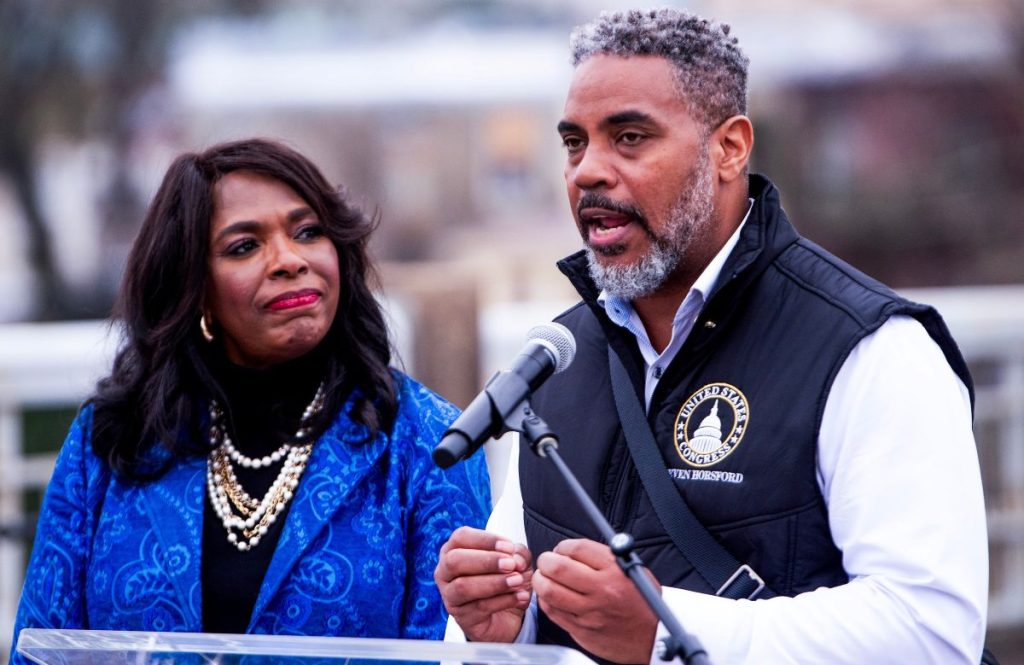
House Bill 6985, known as the Full House Act, was introduced in January by Rep. Steven Horsford (D-Nev.) and Rep. Max Miller (R-Ohio). As Nevada counts on casino gambling for much of its economic tourism, Horsford was a natural fit to sponsor this bill. His district represents the northern part of Clark County, which is home to Las Vegas.
“Taxing people on money they never actually earned is fundamentally unfair and harmful to Nevada’s economy,” Horsford said when the bill was introduced. “This policy would drive tourism across our state elsewhere. There is strong bipartisan agreement that this provision was a mistake, and Congress must act to correct it.”
However, the bill has been stuck in committee for months. That hasn’t been an issue to this point, because the gambling loss deduction provision doesn’t affect tax years prior to Jan. 1, 2026. Americans file their income taxes for the previous year each spring, so it hasn't come up.
But as 2026 nears its end, bettors could potentially face this tax in the spring. That led Horsford and Miller to renew their push to get the bill through Congress. The bill seemed on track until Johnson called the representatives away from Washington.
When Could the Gambling Loss Deduction Bill Be Debated?
It’s not likely to happen now until November. That’s because Johnson’s call for a recess pulled the House away from Washington until after the midterm elections. Johnson officially said the reason was so House members could focus on their campaigns. That means the recess probably won’t end until the scheduled time of Nov. 9.
That doesn’t leave much time for the bill to pass Congress. HB 6985 does have support in the Senate, where Sen. Catherine Cortez Masto (D-Nev.) and Sen. Ted Cruz (R-Texas) have filed a companion bill, SB 2230. That could speed up the timeline of getting it through both chambers. If so, that could lead it to reach President Donald Trump’s desk before the end of 2026.
Whether Trump signs the bill is anyone’s guess. The president tends not to like anything that detracts from something he previously supported. Going against part of the OBBA would not fit his usual pattern of actions. That said, this part of the law wasn’t one of his main priorities. That might make it easier for him to approve a bipartisan effort.
If the bill is signed by the end of 2026, bettors would never face the change in gambling loss deduction calculations on their tax returns.
-

Restoration of Gambling Loss Deduction Clears House Committee
-
Nationals vs. Tigers Prediction, Odds & Props for Sept. 21: Detroit gets W
-
WOW Vegas Announces and Pulls WOW Rips; Reveals 200% Bonus Instead
-

CrashDuel Sweepstakes Casino September Rush: Claim a Share of 4,500 SC
-

Trade $25 Get $25 on Chargers vs Bills NFL: Use Kalshi Code [bonus-code operator="3731" section="sportspredictions"]
-

Play $5 Get $50 Bonus on Chiefs vs Dolphins NFL: Use Underdog Code [bonus-code operator="2162" section="dailyfantasysports"]