Political Earthquake Takes Down Patrick; Opens Possibility of Texas Sports Betting
The biggest opponent of legal Texas sports betting will no longer hold political office.
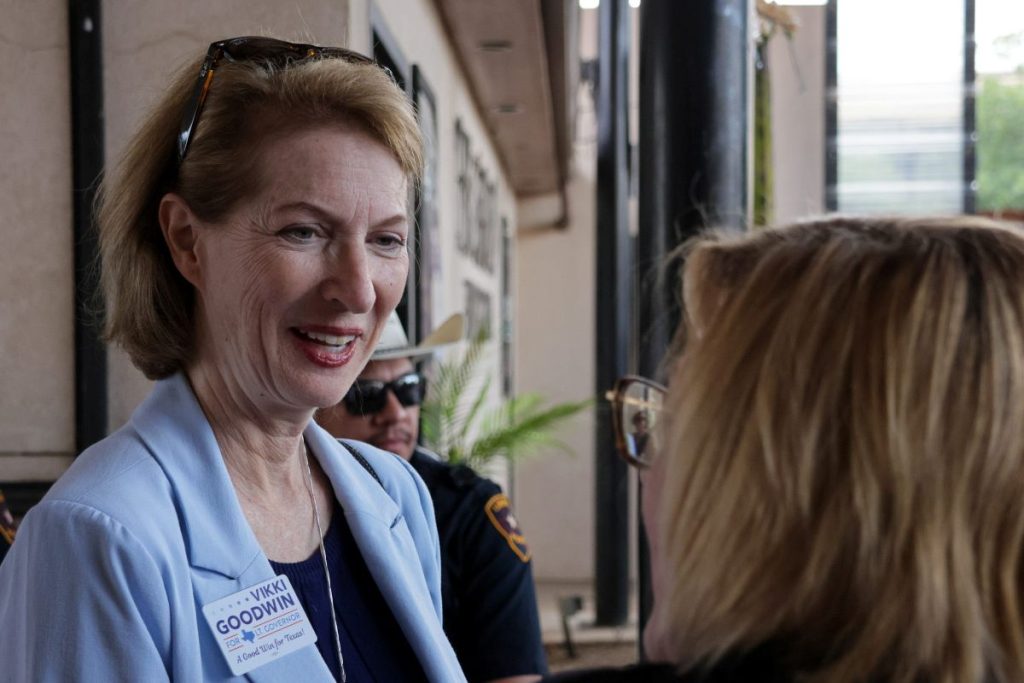
With much of the country focused on two other races in Texas, Democrat Vikki Goodwin scored the biggest win of Election Night for gambling advocates in the Lone Star State, defeating incumbent lieutenant governor Dan Patrick and removing the biggest obstacle to opening one of the country’s largest untapped markets for legal gambling.
At 1:20 a.m. Central time, Decision Desk HQ called the race for Goodwin, a state representative from Bee Cave. She joins senator-elect James Talarico and governor-elect Gina Hinojosa as the first Democrats to win a statewide race in Texas in 32 years.
What Does This Mean For Texas Sports Betting?
Even though she didn’t make legal betting in Texas part of her campaign, the possibility could now take center stage. That’s because the current rules of the Texas Senate give the lieutenant governor full control of what bills make it to the floor of the Senate and when bills get assigned to committees.
Under Patrick, that meant a Texas sports betting bill was never even a possibility. The outgoing lieutenant governor made clear he would never support a sports betting bill unless Republicans could pass it without getting any Democratic support. That effectively blocked any chance of a bill even being discussed.
Goodwin has taken no position on such a bill. But it’s believed she wouldn’t stand in the way of one, making it possible that Texas legislators could finally attempt to legalize the practice in January.
What Else Needs To Be Figured Out Regarding Texas Sports Betting?
It’s important to note that Goodwin’s victory is only the beginning of the Lone Star State’s fight to legalize sports betting. First, there’s the question of whether Texas Republicans will let Goodwin keep her virtual veto power. The lieutenant governor in Texas has long held control of the Senate, which Patrick has used regularly. But the new Texas Senate could vote to change the rules when they take power in January.
If they did, they could hand that power to a member of the Senate. That wouldn’t necessarily sink Texas sports betting, as Republicans besides Patrick have been open to such a bill. As long as the next person in charge of the Texas state Senate chooses not to block a bill, Texas senators can put it to a vote.
Second, there’s the question of who will write such a bill, and if they will. State representative Sam Harless (R-Spring) had authored the last bill that Patrick blocked, but he has chosen to retire. Democrat Stephanie Bord currently leads the race to replace him, and Democrats have captured enough state House seats to hold the majority in that chamber.
That could make a new Texas sports betting bill very different than what Harless wrote. That won’t be known until the new state legislators meet in January.
What Timeline Exists for Legal Texas Sports Betting?
Even with Goodwin’s victory, legal sports betting in Texas still won’t arrive until at least 2029. That’s because the question must be put to Texas voters at the next election. That would only happen if a bill passes both chambers. The earliest a vote could happen would be November 2028, when Texas voters could get the final say. Nebraska recently tried that, but its attempt failed.
If Texas sports betting advocates hope to make that deadline, they have little time to lose. The Texas legislature only meets in odd years, unless the governor calls a special session. That happened this year when Gov. Greg Abbott redistricted the state to try to avoid losses in the U.S. House. But it’s unlikely Hinojosa would do the same for sports betting.
That gives Texas legislators a four-month window, starting in January, to pass a sports betting bill. If they do, the question would go on the ballot in Texas in 2028. If not, Texas would be locked out of legal sports betting until at least 2031.
-
Political Earthquake Takes Down Patrick; Opens Possibility of Texas Sports Betting
-
Nebraska Sports Betting Initiatives Defeated
-

Virginia, North Carolina Top $700M For September Handle
-
Wilson Wins Governor Race; South Carolina Sports Betting On Track for 2027
-

Cashoomo Casino Adds Bass Riches With 3 SC Vault Reward
-
Russell Wilson Interviews For NC State Head Coaching Job