Pennsylvania Weighs New Regulations Regarding Skill Games
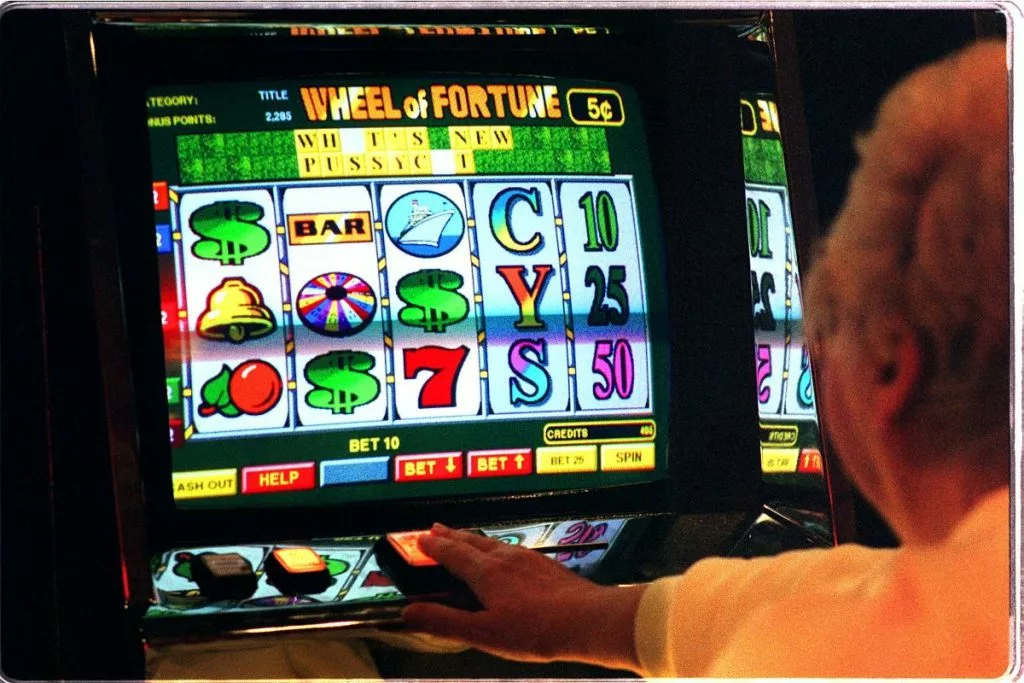
Skill games have legally been declared slot machines in Pennsylvania. Now the Keystone State has to figure out its next move regarding their future.
In a 4-2 decision in POM of Pennsylvania v. Commonwealth, the Pennsylvania Supreme Court ruled that so-called skill games are legally slot machines, and thus cannot operate without approval by the Commonwealth of Pennsylvania. However, the Court also opted to stay its order for a period of 120 days.
In doing so, the Court opted to give the Pennsylvania legislature time to figure out what to do with skill games. That now puts a clock on a question the Keystone State has wrestled with for several years.
Specifically, lawmakers on both sides have debated both legality and tax rates for these games. Skill games have appeared at bars, restaurants and gas stations in Pennsylvania, and it’s estimated that over 70,000 machines operate in the commonwealth. If they’re taxed and regulated, that could become a major point of revenue for Pennsylvania.
What Are Skill Games and How Do They Differ From Slot Machines?
Skill games in Pennsylvania look and operate similarly to slot machines. They begin with a luck-based round, as does a traditional slot machine. However, if the player loses their wager, a button comes up for a skill-based game. If the player presses the button, they can play the skill-based game and win all or part of their money back.
If the player does not press the button before their next play, the wager is lost.
What Was Debated Regarding Skill Games in Pennsylvania?
The biggest question appeared to be whether skill games could truly count as skill-based games. Operators, such as plaintiff Pace-O-Matic, had argued that the games should count because a skilled player could win every time they played.
Opponents found that many players had little to no idea about the game’s skill component. In many cases, players treated the game as a traditional slot and never triggered the skill component.
In lower-court decisions, the judges found the operators’ arguments compelling. But the state Supreme Court wasn’t swayed. It cited an amendment to the commonwealth’s Gaming Act in 2017. That year, the General Assembly added language referring to “hybrid slot machines” and “skill slot machines”. The Supreme Court decided that made the operators’ argument irrelevant, as the commonwealth had already ruled skill games illegal without approval nine years earlier.
What Happens Next?
Law enforcement in Pennsylvania cannot legally touch skill games until October 13. Unlike other state legislatures, the Pennsylvania General Assembly remains in session from January until the end of November. That means a decision on regulation could come at any point before the October deadline.
The biggest sticking point is how these games would be taxed. Gov. Josh Shapiro has proposed a tax rate of 52%, which would match existing taxes on slot machines. Operators have said that tax is too high and have lobbied for far lower rates. Suggested rates have ranged from 16%, which would put skill-based games in line with video table games, to 36%, somewhere between the two rates.
Legislators also want to reduce the number of skill-based game machines in the state. Currently an estimated 70,000 machines operate, and legislators want to bring that number down to somewhere between 35,000 and 50,000. Finally, Rep. Ben Waxman (D-Philadelphia) has introduced House Bill 2557 regarding local controls. That bill would allow individual municipalities to ban skill games from appearing in their towns.
How Likely Is Regulation?
Any decision on skill games would need both parties to approve, given Pennsylvania’s divided government. Democrats hold a five-seat majority in the state House and have Shapiro in the governor’s mansion. Meanwhile, Republicans have a four-seat edge in the Pennsylvania Senate.
If no decision is reached, law enforcement can begin seizing the machines on Oct. 13.
-
Courtyard.io Adds Pokémon Booster Raffle: Win 6 Packs Worth $1,500+
-
Anytime Touchdown Scorer Picks for Oct. 19: 5 Commanders-49ers MNF Bets
-
NHL Anytime Goal Scorer Predictions Today: Best Bets for Oct. 19
-
Commanders vs. 49ers Prediction, Odds & Picks for Oct. 19: San Francisco Cruises
-
NBA Orders Sportsbooks to Prohibit Some Prop Bets, Parlays
-
MNF Week 6 NFL Parlay Picks & Player Props: Commanders vs. 49ers