Pennsylvania Looks to Add Protections Against Problem Gambling
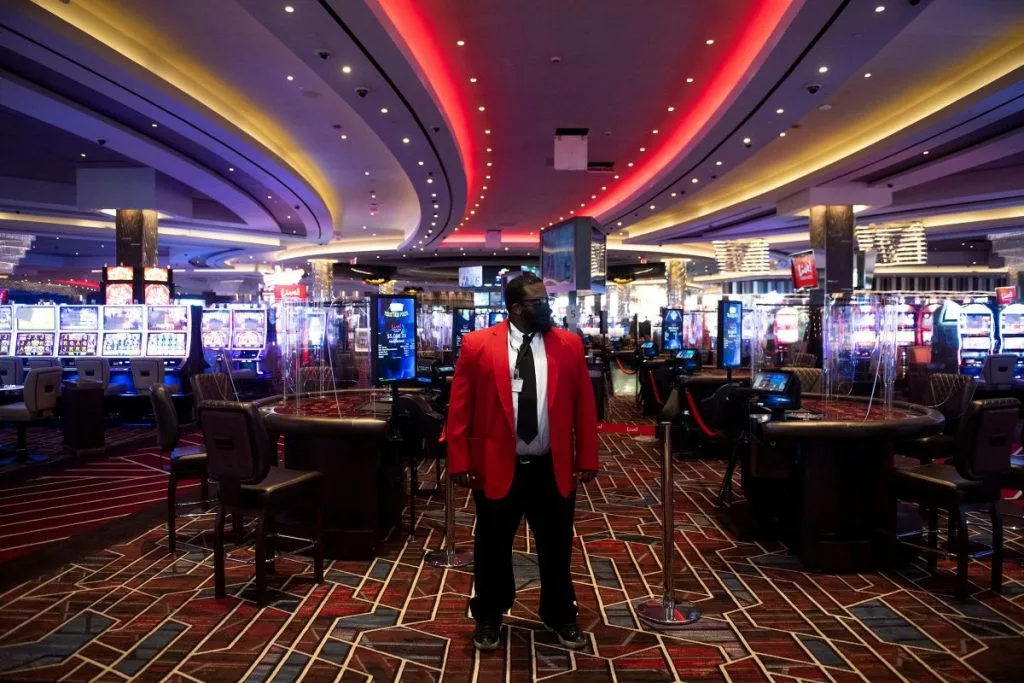
Pennsylvania has one of the most bettor-friendly landscapes in the nation. But the Keystone State still wants to take problem gambling seriously, and it’s looking at adding consumer protections.
Pennsylvania state representatives Tarik Khan (D-Philadelphia) and Jamie Flick (R-Lycoming) have announced a bipartisan proposal of three bills, grouped as a package to protect against problem gambling. The bills haven’t been formally introduced in the Pennsylvania General Assembly, and thus haven’t been assigned any numbers in the Pennsylvania House.
The bills could combine with a pair of companion bills in the Pennsylvania Senate. Sen. Wayne Fontana (D-Pittsburgh) has introduced Senate Bill 265 and Senate Bill 266, both of which dovetail with Khan and Flick’s proposed bills.
One of Fontana’s bills would ban credit card deposits in Pennsylvania, while the other would prevent gambling companies and sportsbooks from sending mailers to people who have voluntarily placed themselves on Pennsylvania’s self-exclusion list. Khan and Flick’s bills would add restrictions on the number of deposits bettors could make in a 24-hour period.
How Would Problem Gambling Restrictions Affect Pennsylvania Bettors?
In some ways, the impact wouldn’t be noticeable. In others, it might have a moderate impact.
The biggest impact could be the number of deposits in a 24-hour period. As the bill hasn’t been introduced yet, it’s not clear what this number would be. When New York proposed deposit limits in April 2026, it suggested five deposits in a 24-hour period. Under the rules, a bettor’s clock would start with their first deposit, with each deposit falling off the 24-hour restriction one minute past the time.
The credit card ban probably wouldn’t have much impact on Pennsylvania bettors. It’s seen as a popular measure to stop problem gambling, but it hasn’t been necessary. That’s because sportsbooks and casinos have been well ahead of the game on banning credit cards themselves.
FanDuel, DraftKings, BetMGM, Caesars, Fanatics and Golden Nugget have all either eliminated or never accepted credit card deposits on their platform. These are the biggest names in the sportsbook and iGaming industries, both of which are prevalent in Pennsylvania.
The Keystone State offers 11 mobile sportsbooks and 23 iGaming platforms. That makes it one of the largest gambling markets in the country. While credit card deposits are currently legal, most operators have followed the major players’ lead.
How Does the Self-Exclusion List Mailer Ban Work?
Like most states, Pennsylvania offers a voluntary self-exclusion list. In practice, it’s used either by people who don’t want to gamble at all, or who have admitted issues with problem gambling. Once a bettor places themselves on the list, they can choose a ban of one year, five years or a lifetime ban.
During the selected period, the person is prohibited from entering a brick-and-mortar casino or from making online wagers. Should the person evade restrictions and place a wager, any winnings would be forfeited, and the person risks arrest.
The ban on mailers would stop casinos and mobile gaming operators from sending mailers to anyone on the self-exclusion list. This would require operators to keep their own list to know who they can’t include. The commonwealth believes that would limit temptation, as people on the list wouldn’t easily learn of promotions.
Khan and Flick’s bills would go further. They would limit text notifications from operators, increase funding to fight problem gambling and limit ads in spaces aimed at people under 21.
What’s the Timeline?
It depends on whether Khan and Flick write their own bills on problem gambling or combine with Fontana’s bills. If they merge their ideas, a bill could arrive within weeks. If they go their own way, it might take months before a bill emerges.
The Pennsylvania legislative session ends in November.
-
Drew Brees Nearly Came Out of Retirement for Broncos in AFC Championship Game
-

MLB Home Run Props and Predictions Today: Top Player Props for Sept. 15
-
Moozi Sweepstakes Casino Adds 10 New Games: Get 15 SC Free
-

$1500 Bonus Bets If Lose on Yankees vs Twins MLB: Use BetMGM Code [bonus-code operator="832" section="sport"]
-

Trade $25 Get $25 on Orioles vs Mets MLB: Use Kalshi Code [bonus-code operator="3731" section="sportspredictions"]
-

Braves vs. Cubs Prediction, Odds & Props for Sept. 15: Atlanta Wins 2nd Game