Oxford Casino Files Lawsuit Against Maine’s Online Gaming Law
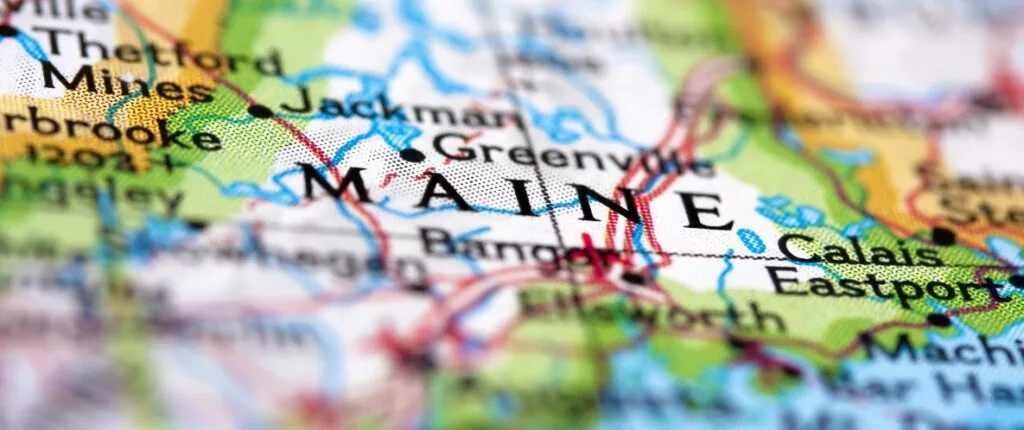
Online casino gambling is scheduled to come to Maine in 2026, but one of the state’s two land-based casinos is suing to prevent that.
Churchill Downs-owned Oxford Casino, situated about 35 miles north of Portland, has filed a lawsuit against Gov. Janet Mills’ approval of LD 1164, which grants the five Wabanaki tribes the exclusive right to offer online casino gambling in the state of Maine. Oxford Casino alleges that this creates an illegal monopoly and would hurt both its bottom line and the state as a whole.
“Promoting iGaming through race-based preferences deals a gut-wrenching blow to Maine businesses like Oxford Casino that have heavily invested in the state and its people,” the lawsuit alleges. The casino also claims that by only allowing the tribes to operate online gaming, LD 1164 violates the Equal Protection Clause of both the United States Constitution and the Maine state constitution.
A Monopoly For Whom?
The Wabanaki tribes have countered that it’s really the Oxford Casino, along with Bangor’s Hollywood Casino and Raceway, who have the monopoly on gambling. Twenty-nine states have tribal casinos in operation, but Maine is not one of them because of a 1980 settlement between the state and the tribes.
Under those terms, Maine was exempted from the 1988 Indian Gaming Regulatory Act, which gave federally recognized tribes the right to operate and offer casino gaming on their lands. Instead, tribes must gain approval from Maine voters to build a casino, an effort that has failed multiple times.
When legal sports betting came to Maine in 2022, the state split the difference, allowing Oxford Casino and Hollywood Casino to operate in-person sports betting, while granting the tribes the exclusive right to offer mobile sports betting in Maine. Currently, the tribes have partnered with DraftKings and Caesars Sportsbook to offer online sports betting.
According to Passamaquoddy Tribe chief William Nicholas, the lawsuit represents an attempt by out-of-state interests to control legal gaming in Maine. The Passamaquoddy Tribe, along with the Penobscot Tribe, has been the most vocal in support of expanding tribal gaming.
“Wabanaki Tribes have been closed out of this market until Governor Mills initially supported the Tribes in Sports Betting and now IGaming,” Nicholas stated. “For years, out-of-state interests have been enriched in their monopoly and now are attacking Mainers who are here to support and keep Maine economics in Maine.”
Online Gaming Tentatively Scheduled For July
It’s unclear what effect the lawsuit will have on the timetable of online gaming in Maine. Per the legislation, online gaming becomes legal 90 days after the end of the 2026 session of the Maine legislature. The legislature is scheduled to adjourn in April, setting a mid-July target for the tribes to launch online casino gaming.
An injunction could delay that launch date, or even prevent it entirely in 2026. Should the legislation remain on the books, Maine would become the eighth state to allow online casino gaming. Two states in New England, Connecticut and Rhode Island, already allow online casino betting.
Only two sportsbooks operate in Maine, as the Passamaquoddy Tribe partnered with DraftKings and the other four Wabanaki tribes partnered with Caesars. It seems likely that those partnerships would continue into online casino gaming if LD 1164 is upheld.
Maine Legislators Debate Credit Card Restrictions
At the same time, Maine House Rep. Marc Malon (D-Biddeford) introduced legislation that would ban credit cards from being used to deposit funds in Maine. This bill, LD 2080, would solely impact DraftKings users. Caesars does not allow credit card deposits, while DraftKings lets users make deposits with its own branded credit cards.
Although Maine only has two sportsbooks, signing this bill into law could impact the majority of sports bettors in the Pine Tree State. According to the Bangor Daily News, DraftKings takes in 82% of the market share in Maine. It’s not clear how many users choose DraftKings because they can play with a credit card, but those numbers suggest that passing LD 2080 could lower the state’s revenue from sports betting.
-

Courtyard.io Adds Pokémon Booster Raffle: Win 6 Packs Worth $1,500+
-

Anytime Touchdown Scorer Picks for Oct. 19: 5 Commanders-49ers MNF Bets
-

NHL Anytime Goal Scorer Predictions Today: Best Bets for Oct. 19
-
Commanders vs. 49ers Prediction, Odds & Picks for Oct. 19: San Francisco Cruises
-
NBA Orders Sportsbooks to Prohibit Some Prop Bets, Parlays
-
MNF Week 6 NFL Parlay Picks & Player Props: Commanders vs. 49ers