Ohio iGaming Bill On Hold Until New Legislative Session
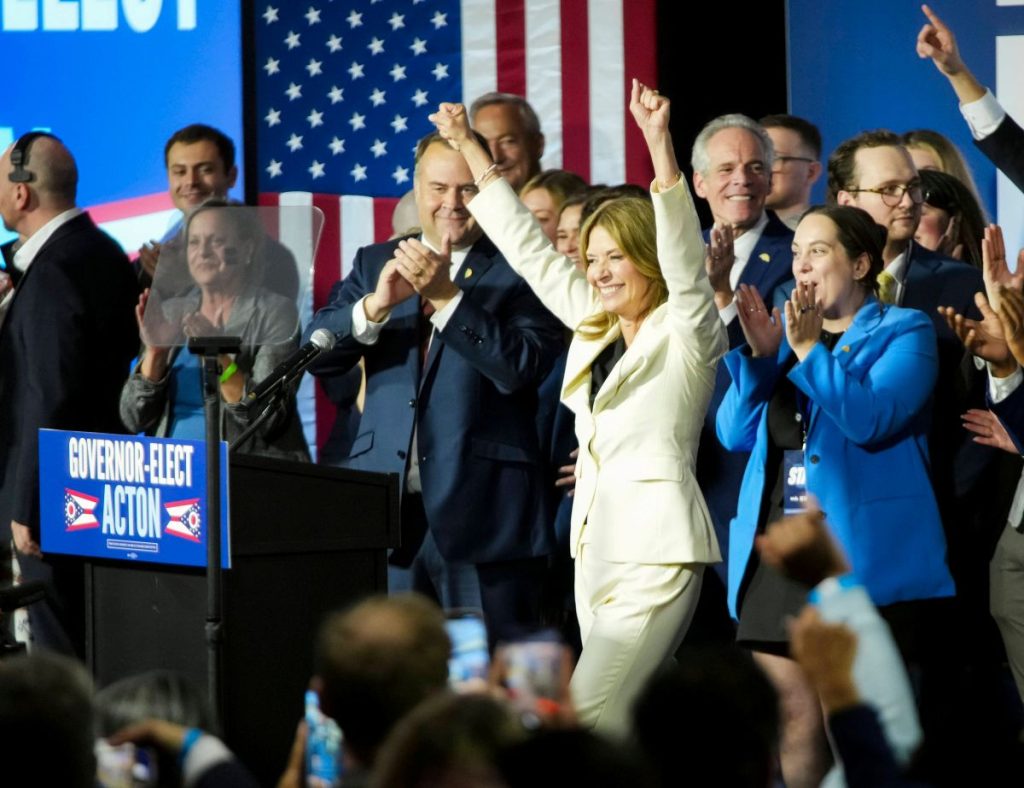
With a potential partner on her way into the governor’s mansion, the force behind an Ohio iGaming bill has decided to wait until 2027 to take another shot at legalizing online casinos in the state.
Rep. Brian Stewart (R-Ashville), one of two main sponsors of HB 298, has indicated that he won’t try to squeeze the bill into Ohio’s lame-duck session. That means the legislation will expire at the end of the year, and Stewart and Rep. Marilyn John (R-Richland) will have to re-file when the new legislative session begins in January.
However, that’s fine with them, given the changes coming to the Buckeye State. With Gov. Mike DeWine on his way out, Stewart and John have seen the biggest obstacle to their bill removed. DeWine was term-limited, and he’ll be replaced by Governor-elect Amy Acton, who defeated Vivek Ramaswamy on Nov. 3.
DeWine originally supported the expansion of gambling in Ohio, and signed the bill that legalized sports betting in the state in 2023. But over the past four years, DeWine has turned against gambling. He has openly suggested rolling back sports betting, and he made clear he would not sign any Ohio iGaming bill.
Acton, however, signaled openness to iGaming in Ohio. She inherits a state government that has set itself up for a massive budget shortfall because of tax cuts, and she’d like to find new sources of revenue to fund Ohio’s educational programs.
What Is the Current Situation for Ohio’s Legislature?
Like several other states, Ohio features a lame-duck session in between the November elections and the new legislators being sworn into office in January. All new business officially stops for the year on Dec. 16. The final two weeks are used strictly to debate any bills that get vetoed, allowing time for a potential override.
That would give Stewart and John time to try to get their Ohio iGaming bill through the legislature. However, there’s no point to that effort. DeWine will oppose HB 298, and the votes aren’t there to override him.
That means HB 298 will officially die on Dec. 31, 2026. Ohio law does not permit carryover from one legislative session to the next, meaning all bills that haven’t been made law officially expire on the last day of even years.
What Does That Mean For an Ohio iGaming Bill?
For the average person, nothing changes. Stewart and John both won their races by more than 30 points, so both will return to Columbus in January. When they do, they’ll decide whether they want to re-submit HB 298 as written, or make a few changes in order to attract more votes.
This might mean a new number for the bill. Each session, new pieces of legislation are assigned a number when formally introduced in the state legislature. In 2023, HB 298 was used to try to designate a day of recognition in the state.
The Ohio iGaming bill took that number when Stewart introduced it in May. It has stalled in committee ever since.
When Might a New Bill Be Introduced?
It depends on the agendas of each party in January. Although Acton suggested openness to an Ohio iGaming bill, she didn’t make it a top priority. That means that while she’s willing to listen, she probably won’t spend any political capital on it.
With that being the case, Stewart will probably wait until later in the legislative session. As John is the House majority leader, her involvement gives the bill a great chance to reach the floor once discussion becomes prudent.
Ohio’s legislature meets year-round and isn’t limited by the calendar, outside of the firm deadline of Dec. 31 of even years. That means it’s anyone’s guess as to when Stewart could re-introduce an Ohio iGaming bill. Given the standard 180-day timeline, he’d probably need to introduce a bill by April 1 to bring iGaming to Ohio in 2027.
-

Ohio iGaming Bill On Hold Until New Legislative Session
-

Seahawks vs. Raiders Prediction, Odds & Picks for Nov. 15: Seahawks Ruin Mendoza’s First Career Start
-

How Good are Utah and UCLA?
-

SNF Week 10 NFL Parlay Picks & Player Props: Steelers vs. Bengals
-

Coinz Is Offering 50% More Coins - But Which of These Two Deals Should You Choose?
-

Anytime Touchdown Scorer Today: NFL Week 10 Sunday Slate