New Jersey AG Petitions Supreme Court on Kalshi
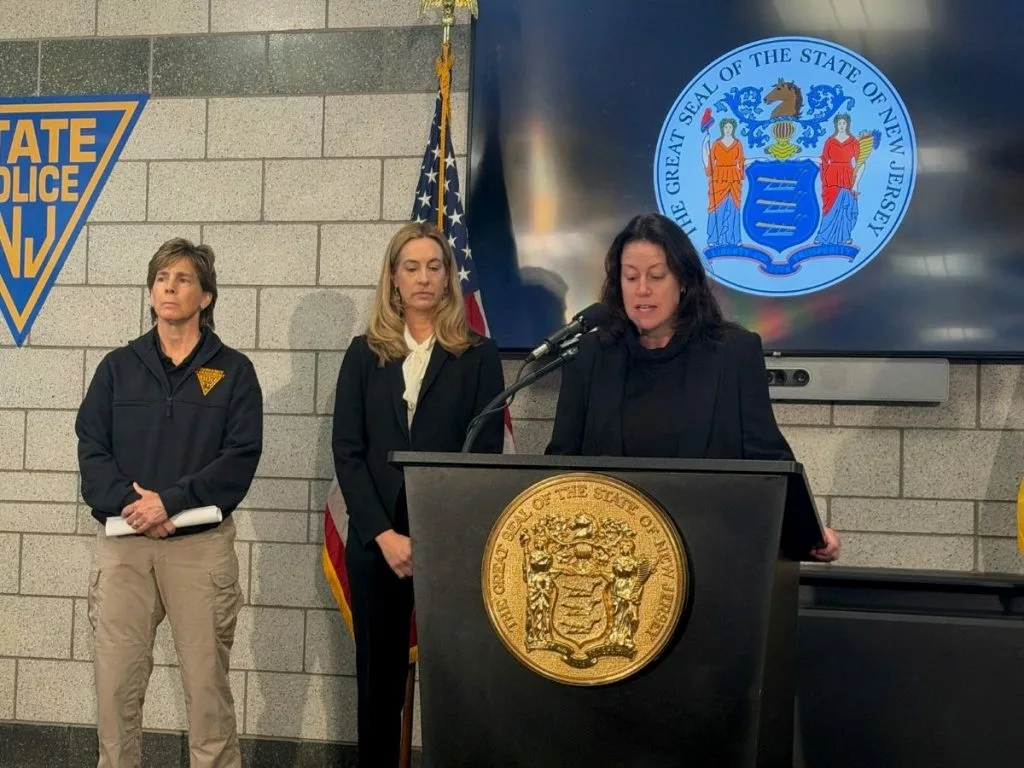
It’s long been expected that the final decision on prediction markets would come from the Supreme Court. Kalshi might soon find itself facing that reality, if New Jersey attorney general Jennifer Davenport has her way.
Davenport officially filed a petition to the Supreme Court on Kalshi, asking the nation’s highest court to rule on whether Kalshi violates state gambling laws. In doing so, Davenport might have set in motion the Court deciding who has ultimate authority over prediction markets and whether they count as gambling.
For the Supreme Court to hear the case, at least four of the nine justices of the Court must agree to take the case. This does not necessarily mean that at least that many justices would rule a certain way, especially in this type of case.
Given that a ruling is already in place, the Supreme Court is highly likely to hear the case. In April 2026, the Third Circuit U.S. Court of Appeals ruled against New Jersey, siding 2-1 with Kalshi.
Why Does an Existing Ruling Affect the Supreme Court on Kalshi?
Specifically, there are contrasting rulings from multiple lower courts. Earlier this year, courts in Wisconsin and Utah came to different conclusions than the Third Circuit. The Utah case in particular increases the likelihood of the Supreme Court weighing in, because that came from a federal judge.
At the state level, states can have different laws, as they do regarding sports betting and iGaming. But multiple rulings from different federal courts create an impossible situation, which requires either the Supreme Court to issue a full, clear ruling or Congress to create legislation.
When the Supreme Court leaves a ruling in place, it does so because the lower court’s ruling is clear enough to stand. This isn’t possible with multiple districts coming to different conclusions.
What Is the Dispute?
The big question regarding Kalshi is whether its swaps legally qualify as gambling. Kalshi has argued that it is offering contract swaps, which federal law requires to be governed by the Commodity Futures Trading Commission (CFTC). But 44 states have said Kalshi is actually skirting state gambling laws, while its swaps have no legal difference.
Essentially, the Supreme Court must decide if Kalshi’s offerings of sports betting qualifies as gambling or as trading event contracts. If it’s the former, it must follow state gambling laws to operate. If it’s the latter, it can operate outside state law.
What Is the Timetable?
The Supreme Court usually decides to hear cases in September and October. It receives around 8,000 petitions annually, but it only chooses to take about 80 cases. Although those aren’t great odds, the nature of this case means it’s highly likely to be among that group of 80.
If that happens, oral arguments will likely begin between October and December. Barring cases of extreme emergency, the Court hears cases at the end of the calendar year. It then issues a full ruling the following year, usually around June.
Even though a lot of money could change hands before then, the opinion of the Supreme Court on Kalshi isn’t likely to constitute an emergency. Most likely, Kalshi will be permitted to operate in states where it has not received an unfavorable ruling until a final decision comes.
While that theoretically gives Kalshi the football and basketball seasons to make money, that doesn’t necessarily matter. The Supreme Court can’t order a fine itself, but state governments could. If the Court rules against Kalshi, state attorneys general could file suit against Kalshi and levy fines for illegal gambling operations in their states.
-

$1500 Bonus Bets If Lose on Broncos vs Cardinals NFL: Use BetMGM Code BTSLINES
-

$10 Free on Signup, No Deposit Required on Colts vs Vikings NFL: Use Dabble Code JOIN10
-

Trade $25 Get $55 on 49ers vs Falcons NFL: Use Kalshi Code PREMARLINES
-
$1500 Bonus Bets If Lose on Dolphins vs Jets NFL: Use BetMGM Code BTSLINES
-

Up to 103 SC + 20,500 GC for FREE on Chiefs vs Seahawks NFL: Use Legendz Code BTSLINES
-
Promo Code PREMARLINES for Kalshi: Week 7 NFL: Kalshi & Betting Odds