Minnesota Takes Aim at Sports Prediction Markets
Sports prediction markets such as Kalshi and Polymarket have billed themselves as legal in all 50 states. If Minnesota passes Senate File 4760, that status is about to change.
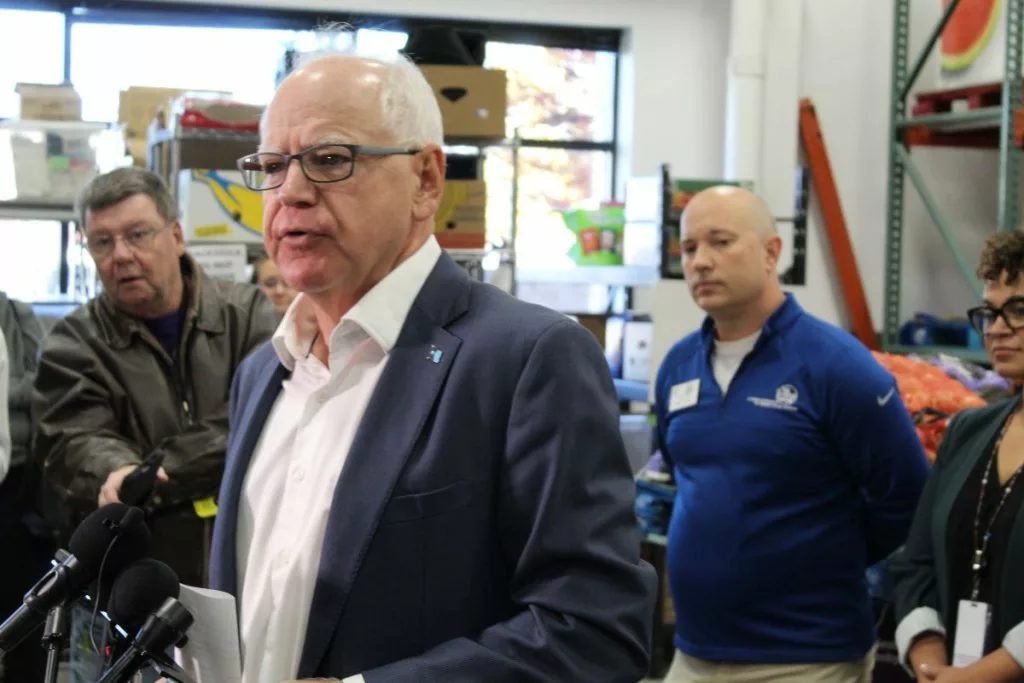
Minnesota’s House of Representatives voted to approve an amended version of SF 4760 that included a ban on prediction markets, sending the bill to Gov. Tim Walz. If the bill earns his signature, or the legislature overrides a veto, the North Star State would become the first to ban sports prediction markets.
Notably, Minnesota isn’t making this move to protect revenues from existing legal sports betting. The state is one of 11 where no form of sports betting is legal, as legislation aimed to bring it to Minnesota didn’t advance through committee.
Instead, Minnesota is taking full aim at any attempts to simulate gambling within its borders. It’s the second such bill to come through the legislature, as Senate File 4474 looks to ban sweepstakes casinos.
State Sen. John Marty (DFL-St. Paul) has said that the action is necessary to protect future legal betting in Minnesota, even though it doesn’t currently exist.
“Unless we act quickly, prediction markets will create a massive increase in gambling addiction, and will undermine lawful, regulated gambling in Minnesota,” Marty said. “Prediction markets are nothing more than gambling, but they have found loopholes to circumvent our laws and allow sports betting on their platforms.”
How Likely Is a Ban on Sports Prediction Markets?
It seems likely, but it’s not a sure thing. SF 4760 is actually a hybrid bill that included language from SF 4511, which Marty sponsored. That bill, a standalone bill that banned prediction markets, passed the Minnesota Senate by a 56-10 vote.
But when it arrived in the Minnesota House, legislators had little appetite for the bill. Instead, they amalgamated the bill into the legislature’s omnibus bill, SF 4760. That bill gained broad support in the state House, passing by a 100-32 vote. The Senate quickly approved the amended SF 4760, passing it 57-9.
Minnesota Gov. Tim Walz, a former football coach, is a noted supporter of legal sports betting. It’s not completely clear what his stance is on prediction markets. Past actions from state attorney general Keith Ellison, however, suggest Walz would sign the legislation.
Previously, Ellison has sent cease-and-desist letters to sweepstakes casinos in Minnesota. Both he and Walz seem on the same page on this issue, and the legislature seems to have the votes to override a veto if not.
How Will This Affect Legal Sports Betting in Minnesota?
That remains far off. As with many states in the Midwest, Minnesota’s strong Native American presence complicates the question of legal sports betting. Walz and the Minnesota Democratic-Farmer-Labor (DFL) Party both want to include the tribes in any sports betting legislation, as neighboring Wisconsin has done.
This bill would eliminate competition for legal sports betting in the state. Presumably, the state could then focus on the details that would bring the tribes on board. However, the Minnesota legislature is set to adjourn by May 18, so sports betting won’t come to Minnesota until at least 2027.
What Timeline Exists For This Bill?
It’s not entirely clear. If the Minnesota legislature adjourns by May 15, the bill becomes subject to end-of-session rules. That would give Walz 14 days to either sign or veto the bill. If the legislature is still in session after May 15, the bill would have just beaten the deadline. In that case, Walz would have just three days to decide.
Notably, end-of-session rules change the bill’s fate if Walz doesn’t sign it. If the bill is not classified as end-of-session, it would become law without Walz’s signature. If it becomes an end-of-session bill, the bill dies without Walz’s signature.
When Would This Bill Take Effect?
If signed, Minnesota would ban sports prediction markets as of August 1, 2026. That would allow Minnesota residents to continue betting on MLB’s Minnesota Twins through the All-Star Break, but the ban would be in place before the NFL’s Minnesota Vikings return to action.
-

Spend $5 Get $50 in Free Play, Plus a 100% Match Up To $100 on Dodgers vs Braves MLB: Use Fliff Code [bonus-code operator="2678" section="socialbetting"]
-

Dabble Promo Code [bonus-code operator="3027" section="dailyfantasysports"]: TNF Week 5 Betting
-

Trade $25 Get $55 on Brewers vs Padres MLB: Use Kalshi Code [bonus-code operator="3731" section="sportspredictions"]
-
Things Look Good for the Braves After Beating Dodgers in NLDS Game 2
-
Anytime Touchdown Scorer Picks for Oct. 5: Falcons-Saints MNF Bets
-
MLB Home Run Props and Predictions Today: Top Player Props for Oct. 5