MGCB Takes on Offshore Gambling Sites in Major Legal Push
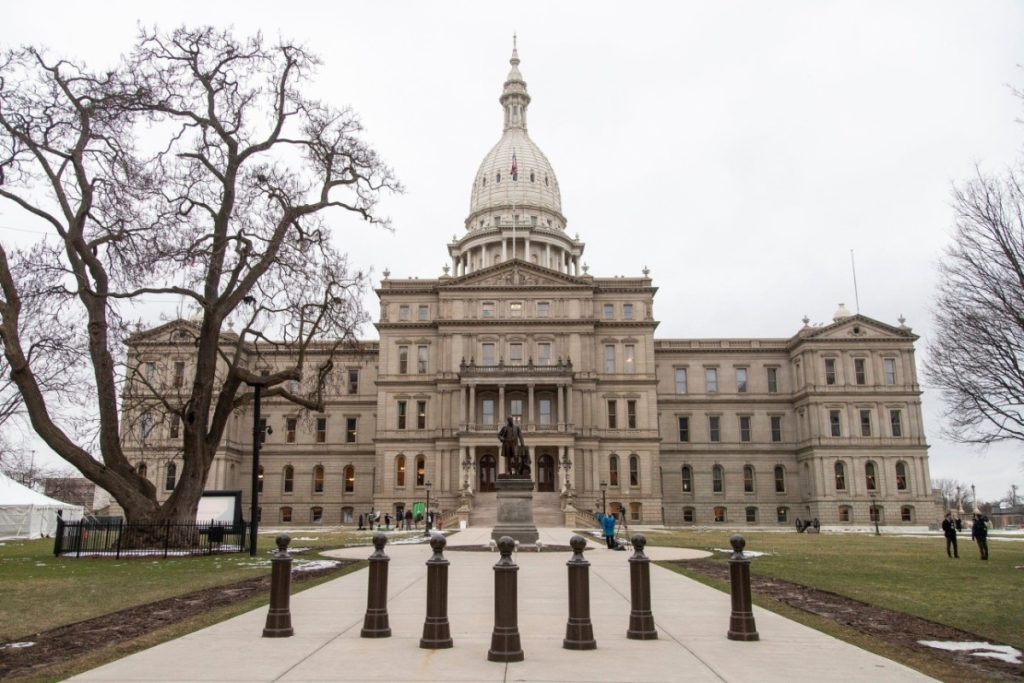
The MGCB (Michigan Gaming Control Board) isn’t just gunning for prediction markets in 2026. It also has its sights set on unlicensed offshore gambling operators, serving 33 with cease-and-desist letters.
The operators of offshore casinos and sweeps sites were sent letters last week, the MGCB reported. While many won’t be household names, the list does include some prominent offshore crypto casinos, such as mBit Casino.
The MGCB said that the operators were “found to be illegally offering online casino games, sweepstakes-style games, and sports betting” to gamblers in Michigan.
Michigan is one of a handful of U.S. states with regulated online casino gaming. Online sports betting was legalized in the Great Lakes State in 2021.
Self-Exclusion ‘Not Being Protected’
Issuing cease-and-desist letters to offshore gaming sites is nothing new in Michigan. The state issued 45 such letters in April as it targeted unlicensed casinos.
The state’s Lawful Internet Gaming Act and Lawful Sports Betting Act oversee online gambling, and operators must apply for the correct license.
The MGCB also warned consumers of lax self-exclusion tools, saying offshore operators had “no obligation” to honor voluntary bans.
Licensed online casinos and sports betting sites in Michigan must allow customers to register on the Internet Gaming and Sports Betting Responsible Gaming Database.
“Offshore sites don’t respect it [self-exclusion]”, said MGCB executive director, Henry Williams, adding that all 33 operators were “on notice” if they didn’t introduce proper measures. However, with Michiganders having access to thousands of unlicensed sites, the battle may be long-fought.
Illegal Gambling’s $673B Problem
The MGCB cited an American Gaming Association (AGA) study from last year, which suggested that Americans gambled $673 billion at unregulated online casinos and sportsbooks.
The report made for stark reading, suggesting that the illegal gambling market has grown 22% in the three years since the AGA’s last report.
Additionally, AGA research showed that 70% of sports gamblers didn’t know they were betting on unregulated sites.
While states like Michigan struggle to protect their regulated industries and keep gambling “in-house”, they have a fight on their hands. Many offshore sites happily accept U.S. gamblers and have introduced payment options like crypto that avoids oversight on American soil.
Michigan’s Fight to Protect iGaming Industry
Like all states with regulated online gambling, Michigan is fighting to protect its industry.
There was a 2.5% drop in overall revenue for online gaming sites in August month-over-month. Sports betting was down 7%, though that may have had something to do with the end of the World Cup.
However, it didn’t factor in the start of the football season, something which usually sees a jump in revenues as gamblers pick their Week 1 bets and futures picks.
Prediction Markets Crackdown Continues
Michigan’s fight against prediction markets has grabbed most of the headlines these past few months, however.
Several online prediction markets have chosen to scrap sports event contracts for Michigan customers. The move followed a crackdown this year from Michigan attorney-general, Dana Nessel. The result was Kalshi geofencing its sports event contracts in the state.
The ban is temporary as the AG continues to “defend Michiganders and enforce our gaming laws.” That includes, she added, “gambling revenue being regulated and distributed” to local communities.
Now, Coinbase and Robinhood have followed suit in Michigan. Both prediction exchanges have removed sports event contracts for anyone accessing the sites in the state.
-
MGCB Takes on Offshore Gambling Sites in Major Legal Push
-

Acebet Sweepstakes Casino's Halloween Raffle Rush: Win Prizes Every 30 Minutes
-
SNF Week 5 NFL Parlay Picks & Player Props: Back the Running Backs
-

Rangers Dealt Massive Blow With Shesterkin Injury
-
UCLA vs. Oregon Prediction, Odds & Picks for Oct. 10: Points In the Pacific Northwest
-
Valkyries Sweep Aces to Set Up WNBA Finals Matchup With Dream