Maryland Battles Offshore Gambling with New Law
Maryland is protecting its casinos and regulated sports betting market by enacting a new law cracking down on offshore gambling.
The Illegal Online Gambling Enforcement Act has been gestating for a few months but has no crossed the line. Backed by the Sports Betting Alliance, which includes regulated sportsbook operators, the law will aim to stamp out offshore betting.
Sweepstakes casinos have also been included in the blanket ban under a companion bill.
Maryland Moves to Protect Licensed Operators
Maryland Lottery and Gaming has been issuing cease-and-desist letters periodically to offshore gambling operators accessing state residents. Many of the operators targeted include online casinos, including some major offshore providers that enjoy access to U.S. markets.
However, sweepstakes casinos such as Chumba Casino have also been warned about offering “illegal” games to Maryland residents.
In passing the new law, Maryland is attempting a chokehold on offshore sites. This manoeuvre includes targeting domestic infrastructure, payment processors, and credit card providers.
The law will also give the state the power to claw back assets from operators under the Maryland Consumer Protection Act.
Maryland Illegal Online Gambling Enforcement Act: What We Know
- HB 1226: The Maryland Illegal Online Gambling Enforcement Act targets unregulated offshore gambling operators.
- HB 295: Sweepstakes casinos are also included in the blanket ban in a companion bill.
- The Sports Betting Alliance: Licensed operators who pay tax in Maryland were keen to protect their interests against unregulated sites that pay nothing.
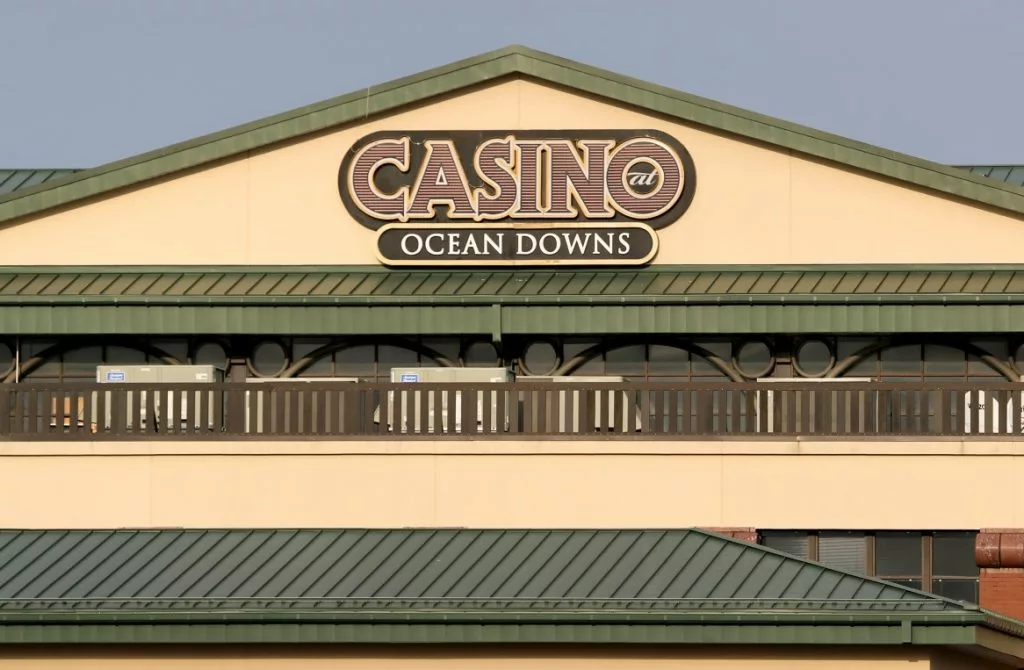
- Land-Based Casinos: Maryland has several high-profile B&M casinos that argue they lose out to unregulated offshore operators. Casinos include MGM National Harbor, Ocean Downs, Horseshoe Casino, and Rocky Gap Casino.
Rising Sports Wagering Revenue Worth Saving
With regulated sports betting revenue on the up in Maryland, it’s no surprise that lawmakers are keen to protect their tax dollars.
According to the latest sports wagering revenue reports, total handle was just under $500 million for July 2026. That marked a 36.3% rise year-over-year, accounted for in no small part by the FIFA World Cup.
Additionally, total sports wagering contributions to the state since December 2021 stand at $283 million. 5% of taxable proceeds on mobile betting stand at $34 million since July last year.
Elections, Predictions Rile Maryland Lawmakers
Maryland lawmakers have also been training their sights on prediction markets this summer.
Last month, state election administrator Jared DeMarinis filed a letter to the state prosecutor asking him to investigate prediction markets such as Polymarket.
The main aim was to challenge the prediction exchanges over accepting bets on elections in Maryland. Under the Maryland Legal Code 16-902, such activity is banned.
Kalshi is still offering multiple markets on Maryland elections. Markets include who will win Governor nominees in the upcoming primaries.
Though trading volumes are low (around $83,000 on who will be the Republican Governor nominee), they could still be classed illegal under the current legal code.
Of course, all will rest on the definition of “betting”. Kalshi and the prediction markets say their exchanges act like share-trading platforms rather than bookmakers.
And with federal oversight from the CFTC, they would be out of the reaches of Maryland Lottery and Gaming.
-

Spend $5 Get $50 in Free Play, Plus a 100% Match Up To $100 on Rays vs Guardians MLB: Use Fliff Code TLCBET
-

Trade $25 Get $55 on Panthers vs Eagles NFL: Use Kalshi Code PREMARLINES
-

Spend $5 Get $50 in Free Play, Plus a 100% Match Up To $100 on Cardinals vs Rams NFL: Use Fliff Code TLCBET
-

$1500 Bonus Bets If Lose on Bills vs Raiders NFL: Use BetMGM Code BTSLINES
-

Underdog Promo Code TLCDFSUSA: TNF Week 6 Betting
-

MyPrize.us Sweepstakes Casino Adds Penguin King Slots: Play 24 Games Today