Maine Clarifies Online Casino Rules Ahead of Launch
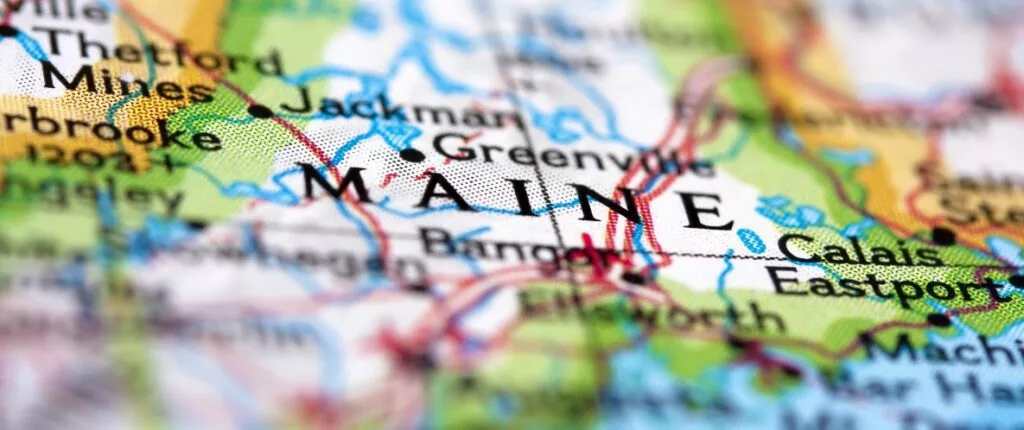
Maine’s push to become the eighth state to allow online casinos continues, with several changes to the rulebook.
The Maine Gambling Control Unit has clarified some of the finer points of how online casinos will operate in the Pine Tree State.
Live dealer games can now be hosted outside state lines, a change to the earlier rules. The unit is also implementing stronger responsible gambling measures, including real-time self-exclusion tools.
Third Change of Rules Since Summer
The Maine Gambling Control Unit has been refining its proposals since giving the green light to online casinos in January.
Online casinos are exclusively tied to Maine’s Wabanaki tribes, which is causing issues for the state’s commercial entities.
After launch, Maine will be the eighth U.S. state to have legalized online casino gaming, joining Delaware, New Jersey, Connecticut, West Virginia, Michigan, Pennsylvania, and Rhode Island. However, a firm launch date has still not been set.
Maine Gambling Control Unit Rule Changes
- Live dealer systems can operate outside state lines
- No marketing aimed at players under 21
- Less clearance for game updates
- Commercial operators must give equal billing to their tribal partner
- Better responsible gambling tools, inc. real-time self-exclusion
Live Dealer Changes: In-State or Out?
The third rule update for Maine casino gambling affects live dealer games. While the main server must be within Maine borders, the backend systems won’t need to be. These include the random number generators (RNGs) used to determine bonus numbers in games like Evolution’s Lightning Roulette.
Maine’s summer update didn’t clarify how live dealer games differed from regular online casino games. However, the September rules do, adding that regular audits will be required. There’s even a stipulation on who picks up the tab.
Live dealer games are a bedrock of all regulated online casinos in the U.S. Evolution Gaming will likely be front and center when the first online licenses are handed out. It currently provides games to most regulated online casinos in NJ, WV, and other states.
Tribes to Strengthen Brand Awareness
While rules have been added restricting targeting advertising to under-21s, tribal brand awareness is strengthening.
Under the proposed rule changes, promotions must feature the name of the tribe that partners with the online casino. Additionally, any tribal name must be displayed the same size as the operator’s.
This contrasts with some states, such as Michigan, where a tribal partner’s name is sometimes displayed much smaller than the online casino’s.
Caesars & DraftKings Prepare
Maine legalized online casinos in January after Gov. Janet Mills signed LD 1164 into law.
Online casinos will be operated exclusively in partnership with Maine’s four tribes: the Penobscot Nation, the Passamaquoddy Tribe, the Mi’kmaq Nation, and the Houlton Band of Maliseet Indians.
Caesars has signed deals with three tribes to bring its online casino brand to Maine. The Passamaquoddy Tribe has signed a partnership deal with DraftKings. Those partnerships were already in place after Maine legalized online sports betting in 2022.
Commercial Casinos Still Opposed
However, legal challenges could still disrupt any move to bring online casinos to life. Maine has two brick-and-mortar casinos, Oxford Casino and Hollywood Casino, both of which oppose what they see as a “monopoly” on online casino gaming.
Oxford Casino filed a lawsuit against the state in January. Owner Churchill Downs Inc. argued that a monopolized online casino setup in Maine could cost it a fortune. However, with the only rule changes proposed so far involving advertising and font sizes, the governor seems unmoved.
-
College Basketball Feast Week 2026: Best Tournaments, Games & Teams to Watch
-
Anytime Touchdown Scorer Today: 5 Vikings-49ers SNF Picks
-
Kalshi Promo Code PREMARLINES (Nov. 22): Trade $25, Get $55 for NFL Sunday Today
-
ESPN Broadcaster, Former Broncos Linebacker Tom Jackson Dies at 75
-

SpinQuest Just Launched Its iPhone App - Here's What Players Need to Know
-
Anytime Touchdown Scorer Today: NFL Week 11 Sunday Slate