Louisiana Aims to End Sports Betting Harassment
Since the legalization of sports betting, harassment of athletes has risen around the United States. Louisiana lawmakers want to put a stop to it — by taking those who make threats out of the action.
Louisiana state senator Mike Reese (R-Leesville) has proposed Senate Bill 325, which would place anyone who engaged in sports betting harassment of athletes on an exclusion list. Once on the list, a bettor would be banned from engaging in either in-person or mobile sportsbook betting.
Louisiana already had an existing law that allowed casinos to ban anyone who they deemed a threat to their business, so long as the ban was not based solely on the player’s skill level. Reese’s bill amends the law to try to eliminate sports betting harassment from the Pelican State’s borders.
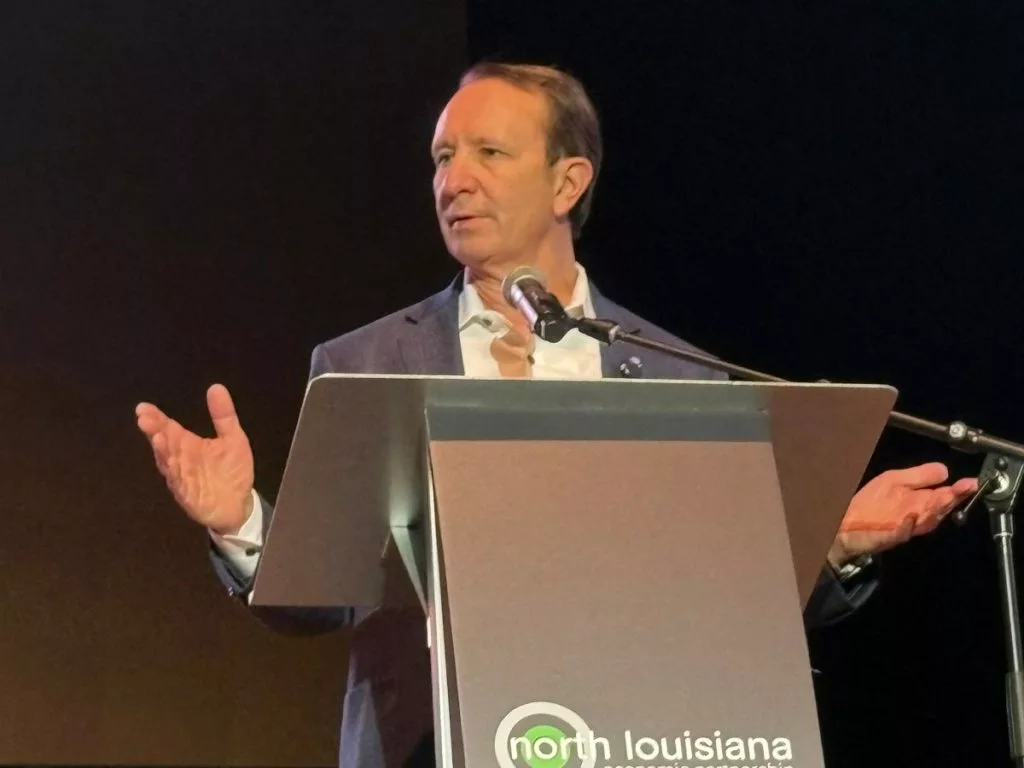
The bill has passed both chambers of the Louisiana State Legislature and will now head to Gov. Jeff Landry for signature. Louisiana’s legislative session is scheduled to end on June 1, although it could be extended if deemed necessary to pass certain legislation.
Why Is Louisiana Cracking Down on Sports Betting Harassment?
Sports betting harassment remains a problem at multiple levels of the sport. After the Louisiana State women’s basketball team won the national title in 2023, star player Angel Reese (no relation) said she began receiving death threats, which continued throughout her final year at LSU.
Following that, Louisiana took its first steps to cracking down on sports betting harassment by banning prop bets on college athletics. As prop bets are tied to individual rather than team performances, the thinking was that eliminating this wager would reduce harassment of college athletes, who are usually between 18 and 22 years old.
But problems with sports betting harassment have continued. Per a recent survey by the NCAA, one in three college athletes have received blame for losing a bet. Usually, the harassment comes through social media, which has led many athletes to shut down or restrict accounts.
Louisiana brings in well over $50 million a year from taxing gambling revenue, money the state doesn’t want to lose. That’s why it’s moving to target individuals. By removing individual gambling privileges, the Pelican State hopes to reduce harassment while protecting mobile and in-person betting for the majority of players.
How Would the New Law Restrict Sports Betting Harassment?
In short, anyone who engages in sports betting harassment would be banned from placing bets anywhere in the state. Once a player is placed on this list, they would have to petition the state to remove their name. If a player attempts to enter a sportsbook without a successful petition, they would be subject to a fine of up to $500 and up to six months in jail.
The bill specifically targets sports betting harassment before, during or after the game. There are no specifications for what form the harassment would take. It applies regarding any player, coach, official or other person involved in the contest.
The bill also amends the law to exclude those on the casino list from sports wagers as well. Previously, the law made no such statements regarding already-excluded people.
How Likely Is the Bill to Become Law?
It’s likely, but not certain. Landry tends to take a narrow view as to which bills regarding gambling are necessary. Last year, Landry vetoed Senate Bill 181, which would have banned sweepstakes casinos in Louisiana. He believed the language was too broad and that the state’s gaming board already had power to block social casinos.
This year, he signed House Bill 53, which treats sweepstakes casinos as illegal racketeering. The difference was the latter bill reinforced existing powers, while the former added new ones Landry believed were unneeded.
Given that the bill passed with no opposition, however, Landry is likely to sign it. If he does not, the unanimous approval in both chambers is more than enough to override him.
What Is the Timeline?
Because the bill was submitted during the legislature’s last 10 days in session, Louisiana law requires Landry to sign or veto within 20 days. If he takes no action, the bill becomes law without his signature.
-

Courtyard.io Adds Pokémon Booster Raffle: Win 6 Packs Worth $1,500+
-

Anytime Touchdown Scorer Picks for Oct. 19: 5 Commanders-49ers MNF Bets
-

NHL Anytime Goal Scorer Predictions Today: Best Bets for Oct. 19
-
Commanders vs. 49ers Prediction, Odds & Picks for Oct. 19: San Francisco Cruises
-

NBA Orders Sportsbooks to Prohibit Some Prop Bets, Parlays
-

MNF Week 6 NFL Parlay Picks & Player Props: Commanders vs. 49ers