Legislators Take Aim at Ohio Sports Betting
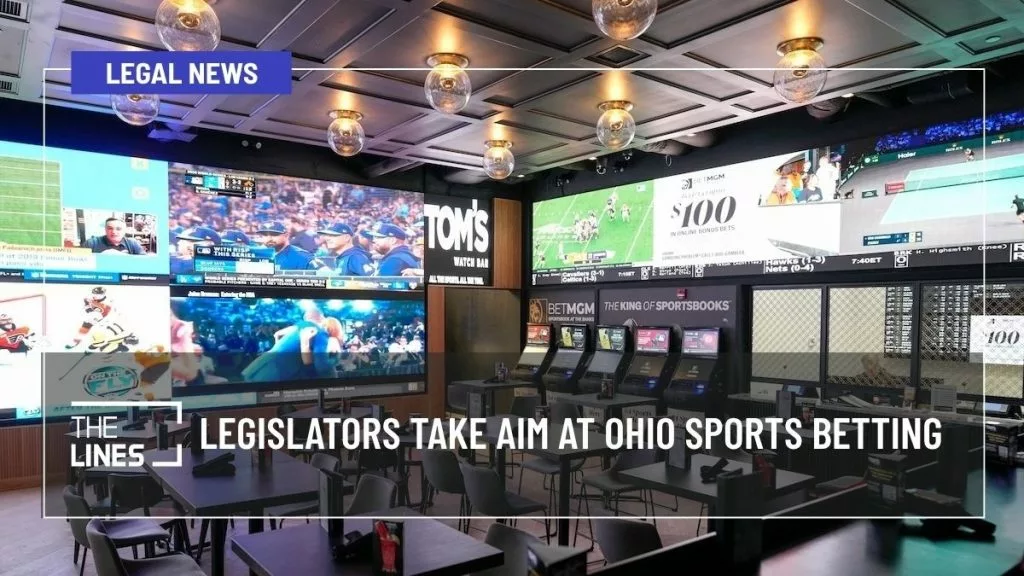
Ohio governor Mike DeWine has said he regrets signing the Ohio sports betting bill into law. Now certain legislators are looking to heavily roll back the Buckeye State’s expansion of sports betting.
Rep. Gary Click (R-Vickery) and two other representatives, Jonathan Newman (R-Troy) and Riordan McClain (R-Upper Sandusky) are openly discussing what they’ve called the Save Ohio Sports Act. The bill has yet to be filed in the Ohio legislature, but the framework would restrict Ohio sports betting to in-person wagers on single-game action and futures bets.
Online betting in Ohio has been available since 2021, when DeWine signed HB 29. Since then, the governor has said that he regrets signing the bill, even as Ohio takes in hundreds of millions of dollars in revenue. In 2025, Ohioans wagered more than $1 billion on sports betting.
Much of those wagers took place online, which is the norm in the industry. Roughly 80 percent of wagers take place online, and restricting bets would severely limit Ohio’s revenue. With every one of Ohio’s neighbors allowing legal online sports betting, it’s a tough ask for the Buckeye State.
What Would This Bill Attempt to Ban?
Ohio has already taken aim at in-game prop betting before, but this bill would go far beyond that. If passed, Ohio would eliminate all forms of prop betting, as well as parlay bets.
This would leave only spreads, totals and moneyline plays for standard sports bets. It would also presumably leave futures bets alone. It would also make wagers on all collegiate sporting events illegal in Ohio.
Banning bets on in-state college teams or on collegiate events held in the state is uncommon, but not unusual. This bill, however, would go far beyond any restrictions that exist anywhere else that allows sports betting. In every state where sports betting is legal, wagers on college sporting events are accepted.
The bill would allow sports betting to remain at four brick-and-mortar casinos in the state. However, all would be subject to the strict regulations outlined here.
How Likely Is This Bill to Become Law?
This bill faces a major uphill climb if it’s going to come into existence. Ohio rakes in high amounts of tax revenue from sports betting, and mostly eliminating that could have disastrous consequences for the state’s budget.
Right now, the state is running a budgetary surplus of around $500 million. However, taking away the $250 million it receives from sports betting in the state would drastically cut into its ability to fund necessities.
DeWine is also term-limited, and the state faces a contentious governor’s race in November. Neither Democrat Amy Acton or Republican Vivek Ramaswamy has taken a public position on gambling, but it’s likely that if this bill gains traction, that could become a campaign issue.
While the Republican Party has a majority in Ohio, it is not veto-proof. If DeWine feels the bill is too extreme, it could be severely rolled back. Respective sports leagues and teams in Ohio could also use considerable financial muscle to attempt to defeat legislators that support this bill in the November election.
Where Is This Bill Currently?
Right now, the bill is only in the proposal stages. Ohio’s legislative calendar operates on a rolling basis, so the three representatives could theoretically introduce it at any point. However, no bill currently exists, and there’s no guarantee that one gets written in time for the legislature to debate it before the November elections.
If the bill doesn’t get introduced in 2026, it’s possible that it might never go anywhere. Much will depend on how the vote goes to see if this bill ever gets beyond the proposal stage.
-

Courtyard.io Adds Pokémon Booster Raffle: Win 6 Packs Worth $1,500+
-
Anytime Touchdown Scorer Picks for Oct. 19: 5 Commanders-49ers MNF Bets
-
NHL Anytime Goal Scorer Predictions Today: Best Bets for Oct. 19
-
Commanders vs. 49ers Prediction, Odds & Picks for Oct. 19: San Francisco Cruises
-

NBA Orders Sportsbooks to Prohibit Some Prop Bets, Parlays
-
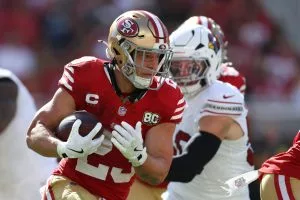
MNF Week 6 NFL Parlay Picks & Player Props: Commanders vs. 49ers