Key Allies for iGaming in Maryland Win Senate Primaries
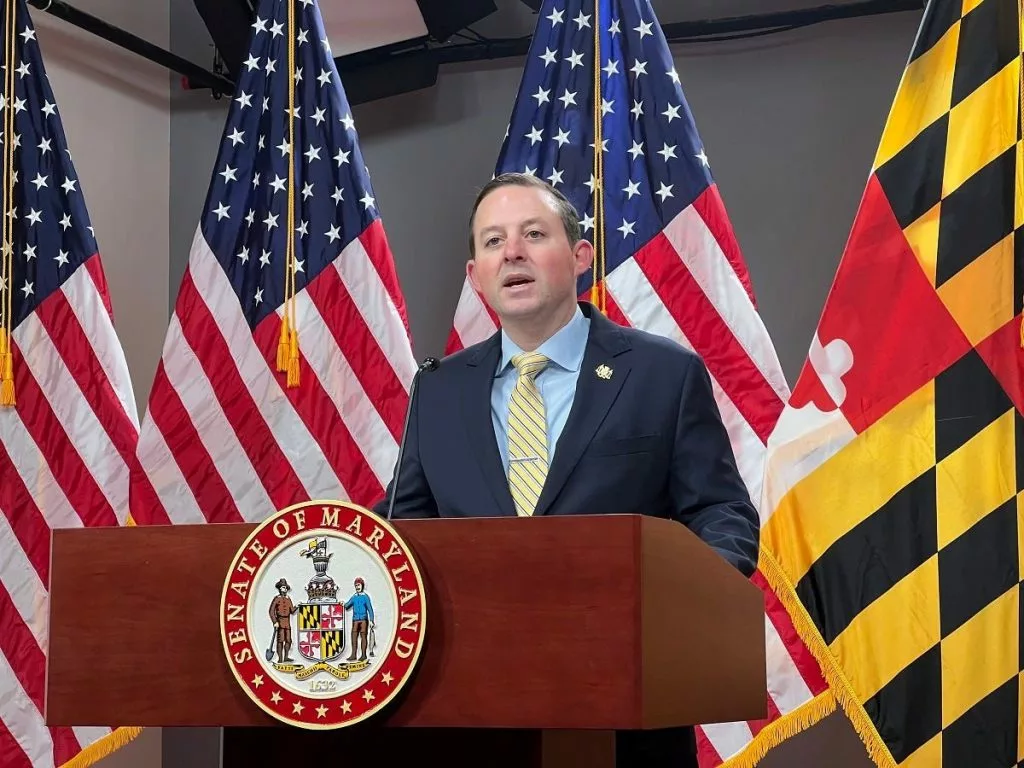
Supporters of iGaming in Maryland got the results they wanted on Tuesday in the Old Line State, as both Maryland Senate President Bill Ferguson (D-Baltimore) and leading iGaming sponsor Ron Watson (D-Prince George’s) won their primary races.
Both advance to the general election in November. Both will be expected to retain their seats, potentially giving iGaming advocates several voices in Annapolis in 2027.
Neither was a major surprise, as both are incumbent senators. However, Ferguson had come under fire in recent months from his own party. In the wake of attempts at redistricting, Ferguson notably refused to redraw Maryland’s legislative maps for the 2026 election. Democrats hold a strong edge in Maryland, which has eight seats in the United States House of Representatives.
Seven of those are held by Democrats. Supporters wanted Ferguson to redraw the maps to get Democrats an eighth seat favorable to them. Ferguson initially refused, which brought a primary challenge from Bobby LaPin, a local business owner. In turn, that gave advocates for iGaming in Maryland a chance to voice their support for Ferguson.
How Have Advocates for iGaming in Maryland Gotten Involved?
The Sports Betting Alliance, made up of sportsbooks DraftKings, FanDuel, Fanatics, BetMGM and bet365, has made political lobbying part of its strategy for 2026. Political action committees (PACs) have no limit to the amount of money they can spend on a race. However, they are strictly forbidden from having any coordination with the candidate.
According to the Baltimore Brew, sports betting and iGaming interests spent $610,000 supporting Ferguson, who is seeking a fifth term in the Maryland Senate. Given that Ferguson represents Baltimore, Maryland’s biggest city, the winner of the Democratic primary was always likely to win the election.
Knowing that, the Sports Betting Alliance sought to paint Ferguson as a fighter against president Donald Trump. It also did not mention gambling in its advertising, keeping the focus on Ferguson’s advocacy for his constituents.
The strategy worked. Ferguson defeated LaPin by 13 points, winning 4,878 votes. Given that Republican candidate Emmanuel Dingman won just 406 votes, Ferguson’s re-election is a virtual guarantee.
Why Did iGaming PACs Support Ferguson?
Even though Ferguson’s support for iGaming has been inconsistent, he’s been a friend to gambling interests. The Horseshoe Casino in Baltimore sits in his district, and he has regularly supported its efforts.
More importantly, as Senate president, Ferguson wields a lot of power over legislation in Maryland. Having him on the side of iGaming increases the chances of a bill making it to the floor.
The reverse of the strategy was used against Maryland Del. Frank Conaway Jr. (D-Baltimore). Conaway put forth HB 1226, which would have expanded efforts against illegal gambling in Maryland. The SBA targeted ads against him, and appears to have succeeded. In the House of Delegates, Maryland elects three delegates per district, but Conaway appears to have finished fifth in his primary.
What Does This Mean For iGaming in Maryland?
Watson, who won his race by 11 points, will almost certainly re-introduce a bill for iGaming in Maryland in 2027. The Maryland General Assembly adjourned in April, meaning no new bills can pass this year without a special session.
While a special session now looks more likely, it won’t involve gambling. In May, Ferguson said he was open to a special session regarding redistricting. The Supreme Court ruled in Louisiana v. Callais that districts drawn to favor race was unconstitutional, and Ferguson said that decision changed his stance on redistricting.
However, Maryland has strict rules regarding special sessions. If a special session is called, legislators can only discuss items related to that topic. Ferguson might call a special session of the state Senate for redistricting; he won’t call one for iGaming.
That means iGaming in Maryland is shelved until at least January 2027. At that point, Watson will likely re-introduce the bill. Less clear is whether Gov. Wes Moore would support the legislation. While Moore has generally taken a pro-gambling stance, he has voiced concerns about how iGaming would impact Maryland’s brick-and-mortar casinos.
-
Courtyard.io Adds Pokémon Booster Raffle: Win 6 Packs Worth $1,500+
-
Anytime Touchdown Scorer Picks for Oct. 19: 5 Commanders-49ers MNF Bets
-

NHL Anytime Goal Scorer Predictions Today: Best Bets for Oct. 19
-
Commanders vs. 49ers Prediction, Odds & Picks for Oct. 19: San Francisco Cruises
-
NBA Orders Sportsbooks to Prohibit Some Prop Bets, Parlays
-
MNF Week 6 NFL Parlay Picks & Player Props: Commanders vs. 49ers