DEATH BETS Bill Passes Senate, Moves to House
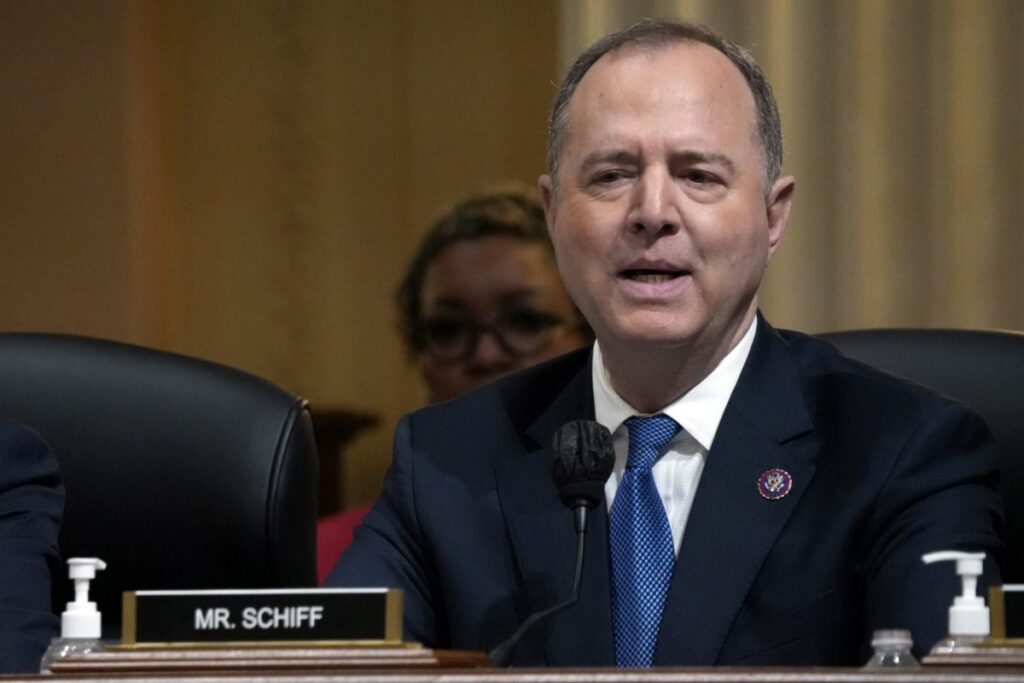
The first attempt by Congress to restrict prediction markets has taken its first step, as the DEATH BETS bill has received unanimous support from the Senate.
Senate Bill 4035, or the Discouraging Exploitative Assassination, Tragedy, and Harm Betting in Event Trading Systems (DEATH BETS) bill, would explicitly ban prediction markets and betting websites from offering any action related to war, terrorism, military actions, or the death of an individual. The bill now moves to the House, which is currently on a holiday recess.
Should the bill pass the House, it would move to President Donald Trump. Historically, Trump has sided with prediction markets and opposed any efforts toward oversight. However, that might not happen this time, given the bipartisan consensus on this bill.
In remarks to Congress, bill sponsor Adam Schiff (D-Calif.) made clear that although he considers prediction markets to be sports betting under a different name, the DEATH BETS bill was not an attempt to address that controversy. Instead, he and co-sponsor John Curtis (R-Utah) both said they want to establish congressional power to ban a certain type of wager.
“We’ve included a rule of construction in the DEATH BETS Act designed to make this crystal clear,” Schiff said. “Per that rule, no part of this bill will affect the permissibility of any sports contracts or similar agreements. If sports contracts are impermissible under federal or state law today, as I, and many others believe they are, it will remain impermissible after this legislation is enacted.”
Why Is The DEATH BETS Bill Being Considered?
In short, the actions of the summer led Schiff and Curtis to take action. This summer, Schiff was one of six senators to call for bans on bets related to wildfires. That happened after Polymarket took in over a million dollars of event contracts regarding wildfires.
Further event contracts regarding the capture of Venezuelan president Nicholas Maduro and the war in Iran have led to more concerns about these swaps. Despite calls for restrictions, Michael Selig, the head of the Commodity Futures Trading Commission (CFTC) has taken no action against such wagers.
To Curtis and Schiff, that proved unacceptable.
“Under the Commodity Exchange Act, the CFTC currently has the authority to prohibit war, terrorism, and assassination contracts from being listed if they are determined by the Commission to be contrary to the public interest,” Curtis said. “Whether or not these contracts are in the public interest is at the discretion of the CFTC. At a time when CFTC Chair Selig has indicated that he will rewrite the rules on prediction markets, the CFTC can no longer be granted this discretion. This bill will unequivocally ban these contracts.”
What Could Stop the Bill?
Two significant hurdles remain for the DEATH BETS bill. First, the House has to actually return from recess. Speaker Mike Johnson (R-La.) has shown little inclination to bring his chamber back to Washington since the midterm elections. Johnson will hand over the gavel to a new speaker in January, and hasn’t seemed interested in passing legislation for the remainder of his term.
If the House does pass the bill, Trump would have to decide whether to sign it. Historically, Trump has consistently favored the interests of prediction markets. However, he does not like to veto legislation if he thinks Congress will override his veto. In these cases, he usually chooses to sign the legislation, even if he disagrees with it.
That makes Trump’s decision tied closely to the House’s. If the House narrowly approves the DEATH BETS bill, Trump will probably veto it. If the vote overwhelmingly favors the bill, Trump will probably sign it.
What Timeline Exists?
The House is currently set to return to work after the Thanksgiving holiday. If Johnson doesn’t change the timeline, it would stay in session through Dec. 17.
That could be crucial for the DEATH BETS bill. If the bill makes it to Trump by Dec. 17, it would automatically become law on Dec. 31 unless he specifically vetoes it. Given Trump’s preference to side with the majority, the bill’s fate now appears to hinge on Johnson.
-
DEATH BETS Bill Passes Senate, Moves to House
-

Dabble Promo Code JOIN10 (Nov. 25): Free $10 No Deposit Sports Bonus for Packers vs. Rams
-

Kalshi Promo Code LINES: Get $55 in Trading Credits for Rams vs. Packers on Wednesday (Nov. 25)
-

Best NHL Player Props & Goal Scorer Picks for Nov. 25
-

Stake Has Updated Its Originals Chicken Game: What's Actually Changed?
-

Rams vs. Packers Week 12 Parlay Picks & Player Props for Pre-Turkey Day Game