Court Rules for Nevada Against Kalshi in Sports Betting Row
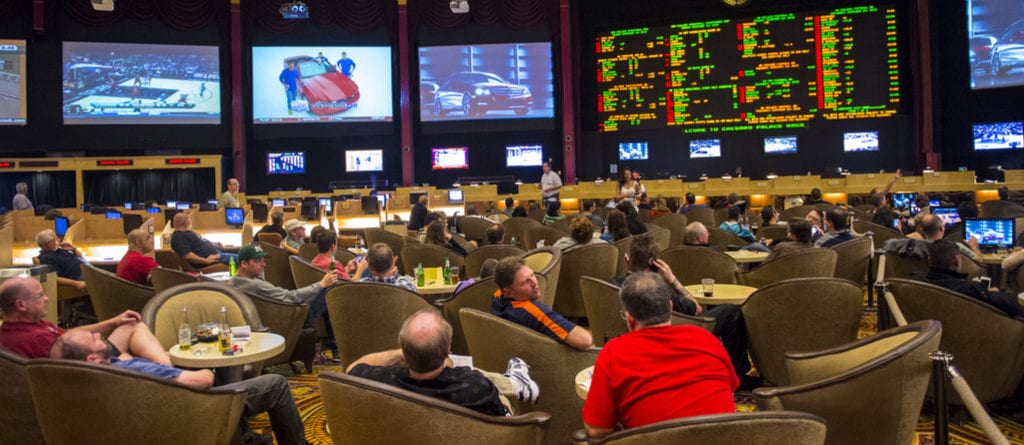
Nevada struck a blow for Kalshi and the prediction markets industry Friday after winning the latest battle to regulate sports contracts in the state.
Nevada gaming regulators have been fighting an ongoing war against Kalshi over who regulates sports event contracts.
On Friday, the Ninth Circuit Court of Appeals upheld the Nevada Gaming Board’s right to oversee sports-related betting. Kalshi’s argument that sports event contracts equate to financial “swaps” was also dismissed.
Ninth Circuit Court Delivers Decisive 3–0 Vote
Circuit judge Ryan Nelson was unequivocal when laying out Nevada’s case against the prediction market giant.
He called out sports event contracts as “sports gambling”, regardless he said of whether Kalshi calls them “swaps”.
He continued: “Kalshi users can effectively place prop bets, bet the point spread, bet a specific score, or create a several-leg parlay. And the payout depends on the performance of a sports team or a player.”
Prediction markets have been expanding into sports in recent years, building on their existing financial and political event markets. Traders can buy and sell shares, or “event contracts”, in soccer, football, or basketball.
In addition to futures, traders can also bet on moneyline-style markets on the winner of individual games. Polymarket and Kalshi now accept parlay-style “combo” bets that resemble those at online sportsbooks.
Nevada vs Kalshi: A Timeline
August 2026: Ninth Circuit Court of Appeals deals Kalshi a blow, rules in favor of NGCB
July 2026: Nevada introduces a bill to ban sports on prediction markets
June 2026: Nevada extends its prediction market ban to Polymarket
April 2026: State court bars Kalshi from offering sports event contracts in Nevada
February 2026: Kalshi hit with NGCB enforcement action
January 2026: Nevada targets Polymarket in a similar court action to Kalshi’s
April 2025: Kalshi granted an injunction, blocking the NGCB’s suit
March 2025: Kalshi sues Nevada in retaliation
March 2025: Nevada Gaming Control Board issues cease-and-desist letter to Kalshi
Nevada Wins Where NJ Loses
Nevada is one of a handful of states that has racked up successes against the markets over “illegal” sports betting.
Connecticut won the right to impose its sports betting laws on prediction markets earlier in August. Contracts, said a federal judge, “were not swaps”, and were therefore liable not only to CT sports betting law but also tax.
Currently, event contracts are regulated by the CFTC under the Commodity Exchange Act and aren’t subject to state tax. That means traders and operators avoid sometimes huge tax bills – money that state lawmakers have factored into annual budgets.
However, there was a blow for New Jersey in April when a federal appeals court ruled that the NJDGE could not regulate Kalshi making trades on sports. It’s these kinds of different outcomes that could speed up a Supreme Court ruling in the end.
Nevada Ruling Sets Up Supreme Court Showdown
The seemingly constant battle the past two years between state regulators and prediction markets shows no signs of slowing.
The key battle is over who regulates the exchanges. States with well-entrenched sports betting industries, such as New Jersey and Connecticut, say Kalshi and Polymarket should be regulated by them.
That’s particularly true if they start introducing sports markets, as they have done recently and rampled them up for the summer World Cup.
On the flipside, the prediction markets argue they are regulated by the Commodity Futures Trading Commission (CFTC) and should be treated as financial trading platforms.
In truth, “swaps” on whether the Bears win the Super Bowl are seen by CT, NV and NJ as different from buying and selling gold or trading government bonds.
However, that decision could ultimately be taken by the U.S. Supreme Court. As some states win and others lose, it could be the Supreme Court who rules in favor of the under-fire CFTC or the states themselves.
-
Anytime Touchdown Scorer Picks for Oct. 19: 5 Commanders-49ers MNF Bets
-
NHL Anytime Goal Scorer Predictions Today: Best Bets for Oct. 19
-
Commanders vs. 49ers Prediction, Odds & Picks for Oct. 19: San Francisco Cruises
-
NBA Orders Sportsbooks to Prohibit Some Prop Bets, Parlays
-
MNF Week 6 NFL Parlay Picks & Player Props: Commanders vs. 49ers
-

Kalshi Boss Warns of Prediction Markets Exodus if Regulations Change