Arkansas Sues VGW, Kalshi Over ‘Illegal Gambling’
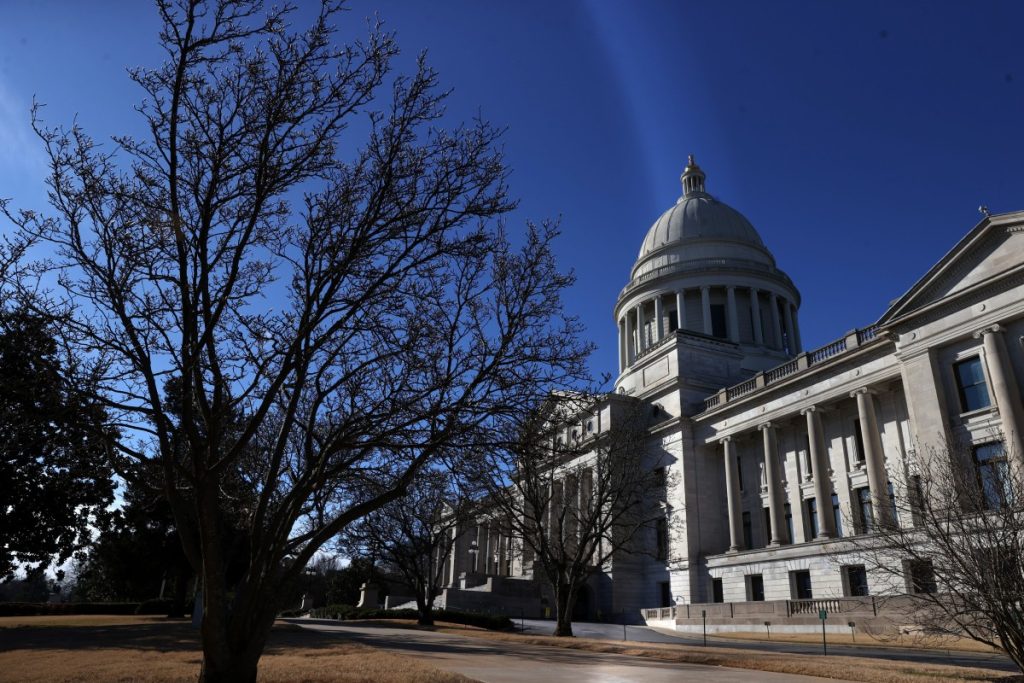
Arkansas is the latest state to clamp down on what it sees as “illegal gambling” practices, suing both Kalshi and sweepstakes operator VGW.
Arkansas Attorney General Tim Griffin issued lawsuits this week against the leading prediction exchange and the owner of Chumba Casino.
Both operators face charges for violating the Arkansas Deceptive Trade Practices Act. Essentially, the AG says they are operating gambling services under the cover of non-gambling platforms.
Arkansas legalized sports betting after a 2018 public referendum. The state has a handful of brick-and-mortar casino-resorts. However, all online casino play is outlawed.
VGW’s Claim on Real-Money Gambling ‘False’
Setting out his stall, the Arkansas AG said the state’s gambling laws were clear. “If you’re providing a means for Arkansans to gamble money within our state,” he said, operators were “subject to the rules and regulations that govern legal gambling.”
VGW, the AG continued, claims it does not provide gambling services, illustrating the difference between Gold Coins and Sweeps Coins.
However, dismissing the dual-currency model, Griffin concluded that “any reasonable person would call that gambling.”
VGW is one of the largest sweepstakes casino operators in the U.S. and manages Chumba Casino and LuckyLand Casino. However, its dual-currency framework has faced increasing scrutiny this year.
VGW vs. the States
- May 2026: Baltimore sues VGW and Stake.us over “unlicensed gambling operations”.
- May 2026: VGW secures a rare legal win in Ohio, where a court ruled against the state.
- August 2026: Florida AG sues the same operators, with payment processors also targeted.
- Sept 2026: New York AG secures $8 million in fines from VGW.
- Sept 2026: Class action filed in New Jersey against Chumba Casino and LuckyLand Slots.
Arkansas Follows New York, Florida in VGW Pursuit
The Arkansas move follows similar actions in New York and Florida in recent months.
Florida Attorney General James Uthmeier sued VGW and Stake.us in August for operating “unlicensed online casinos.”
Uthmeier said that the operators were not only running “illegal online gambling enterprises” but also violating the Florida Deceptive and Unfair Trade Practices Act. He also identified “deceptive marketing” practices used by sweepstakes casinos.
Meanwhile, in New York, VGW was fined $8 million for breaching state gambling laws. Although New York has welcomed legal sports betting since 2022, it still prohibits online casinos. The prohibition extends to sweepstakes casinos.
While Florida and New York have pursued fines and legal threats, Maine has gone one step further. In July, it introduced a complete ban on sweepstakes casinos as it matured its regulated gaming industry.
Kalshi Also in the Firing Line
VGW isn’t alone in facing an Arkansas suit. Griffin simultaneously sued KalshiEX LLC and Kalshi Inc., owners of the Kalshi prediction market site.
Dismissing Kalshi’s derivatives trading model, the AG argued that “Arkansas law [was] concerned with substance, not semantics” in a state where legalized sports betting is relatively new.
Kalshi’s actions “speak louder than its labels,” Griffin added, noting that prediction markets like Kalshi offer tools commonly found at online sportsbooks. These include deposit-limit tools and partnerships with problem-gambling organizations.
Kalshi is one of several prediction markets at odds with state regulators and attorneys general. They argue they operate federally regulated derivatives platforms, not gambling sites.
Appeals courts are split on who should regulate the exchanges: the relevant state gaming commissions or the federal Commodity Futures Trading Commission (CFTC). The battle will likely reach the U.S. Supreme Court, a luxury sweepstakes casinos may not afford.
-
Arkansas Sues VGW, Kalshi Over ‘Illegal Gambling’
-

SpinQuest Launches 500K SC Giveaway With 100 Winners and Vegas Trip Prizes
-
NFL Trade Deadline: The Completed Blockbusters and Potential Future Movers
-

Trade $25 Get $55 on Celtics vs Bucks NBA: Use Kalshi Code PREMARLINES
-
NBA Prediction Markets for Nov. 6: Back Title Contenders in NBA Cup
-

Trade $25 Get $55 on Nets vs Mavericks NBA: Use Kalshi Code PREMARLINES