Arizona Sends Cease and Desist Orders to Online Gambling Companies
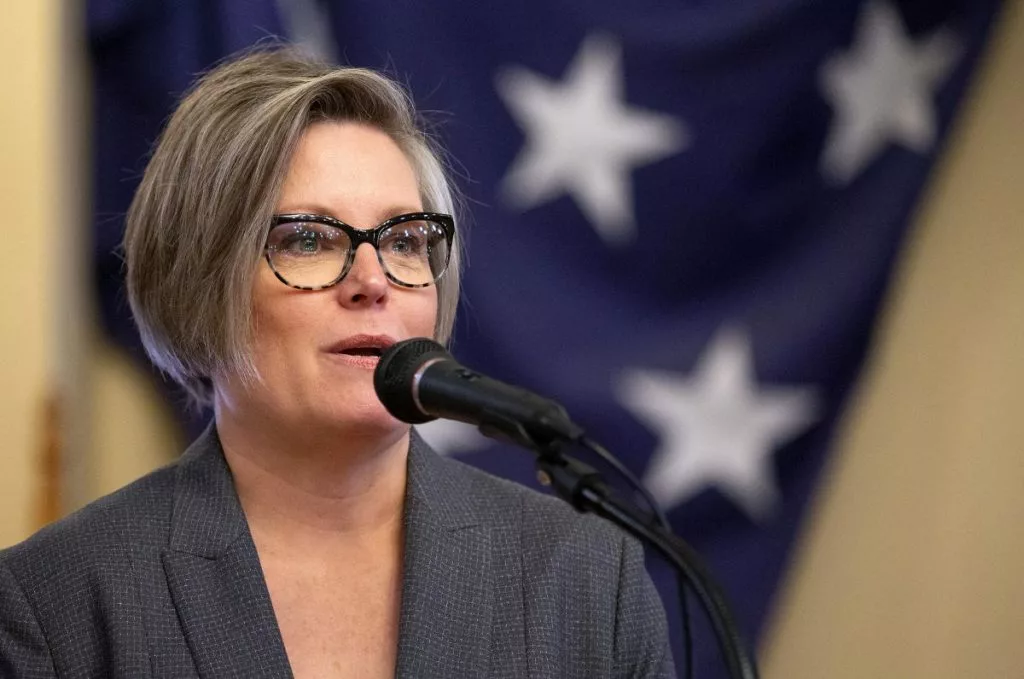
Arizona’s Department of Gaming took another step in states’ efforts to crack down on illegal online gambling, sending out cease and desist orders to five companies the state said were operating unlawfully.
The five companies — BetOpenly, Bookmaker, Club WPT Online Poker, Kutt Inc. and Raffle Creator have all been ordered to end all online gambling in Arizona. The companies involved had different violations of Arizona law, ranging from operating unlawful casino games to allowing underage users to participate in otherwise legal gambling activities.
According to Department of Gaming Director Jackie Johnson, the actions are a necessary step.
“Arizona is taking decisive action against illegal gambling operators that put Arizonans at risk,” she said. “Through these cease-and-desist orders, we are putting operators on notice: their conduct runs contrary to Arizona law and they must stop promoting illegal gambling.”
It’s one of two major actions Arizona officials have taken to curb online gambling. Earlier in July, Gov. Katie Hobbs signed an executive order banning state officials from trading on prediction markets. That tool has been used by people with inside information, creating unfair situations for consumers.
This step was more about protecting the state’s gambling industry. Online gambling isn’t legal in Arizona outside of sports betting. Recently, the Grand Canyon State has started to take a harder view against unlawful operations.
What Forms of Online Gambling Were Restricted in Arizona?
Currently, only tribal casinos and online sports betting are legal forms of real-money betting in Arizona. The state does not outlaw sweepstakes casinos, which were not part of the crackdown.
Bookmaker and Club WPT fell afoul on the rules by offering illegal online games. Bookmaker featured casino gaming and sports betting without a license, while Club WPT offered unlawful online poker. In their cease-and-desist communications, officials stressed that neither form of online gambling was permitted in Arizona.
BetOpenly had tried to skirt laws by offering peer-to-peer online gambling. This form of online betting has users take one side of a bet, with another user taking the opposite side. In this way, there’s no house or set odds. However, Arizona officials said BetOpenly needed a license, and it violated state law by allowing access to customers under 21.
Kutt Inc.’s social casinos would be legal under state law, but Arizona doesn’t allow third party sweepstakes casinos to run a profit. Finally, RaffleCreator was alleged to have sold raffle tickets for customers under 21.
Will Any Violators Attempt to Operate Legally?
Of the five, BetOpenly and Kutt have the best chance. Arizona law allows up to 20 sportsbooks in the state. It’s currently at 14, so BetOpenly could apply a license and become fully legal. Kutt could also become legal if it operates without running a profit.
It’s not likely that any will try to formally fight the ruling. Online gambling hasn’t been a factor in the Arizona legislature, and Hobbs seems determined to crack down on unlawful gaming efforts. So is attorney general Kris Mayes, who has pressed charges against prediction markets.
What’s Next for Online Gambling in Arizona?
With Hobbs and Mayes both up for re-election in November, there’s a possibility that their opponents could make this a campaign issue. However, Hobbs’ likely opponent, Rep. Andy Biggs (R-5th) doesn’t appear likely to take a position on gambling in the state.
Most likely, the violators will try to see if there’s another way to operate in Arizona without getting state officials involved.
-
College Football Week 7 Betting Report: Five Undervalued & Five Overvalued Teams
-

Up to 103 SC + 20,500 GC for FREE on Rays vs Guardians MLB: Use Legendz Code LINESWEEP
-

Spend $5 Get $50 in Free Play, Plus a 100% Match Up To $100 on Brewers vs Dodgers MLB: Use Fliff Code TLCBET
-
Up to 103 SC + 20,500 GC for FREE on Brewers vs Dodgers MLB: Use Legendz Code LINESWEEP
-

Bills vs. Rams Prediction, Odds & Picks for Oct. 12: Explosive Offenses
-
Anytime Touchdown Scorer Picks for Oct. 12: 5 Bills-Rams MNF Bets