Acton Doubles Down on iGaming in Ohio; Ramaswamy Remains Noncommital
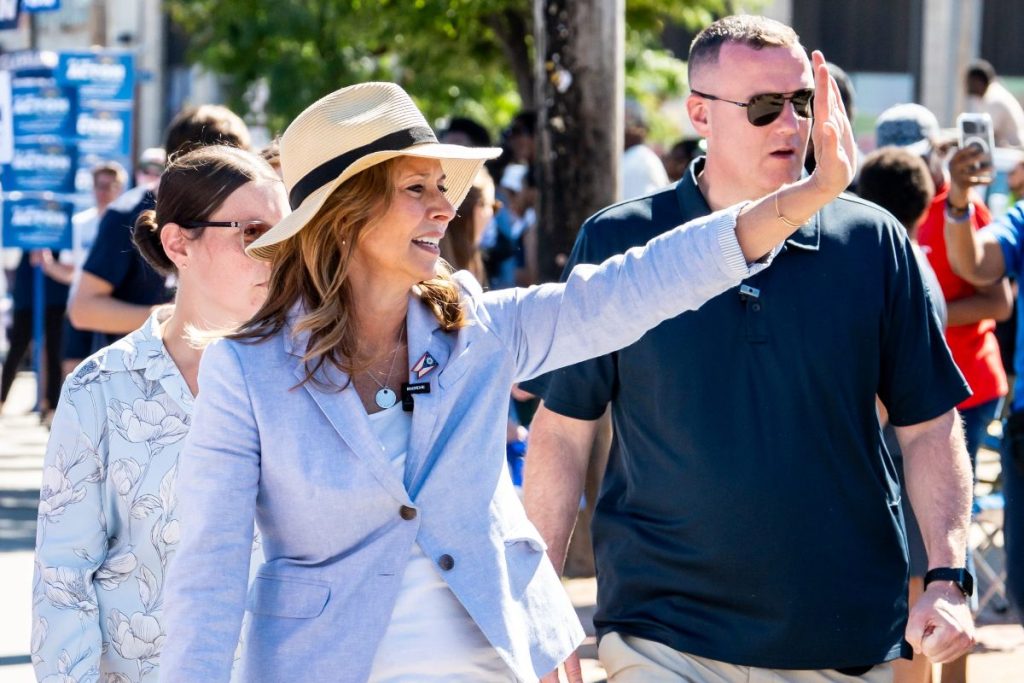
Ohio gubernatorial hopeful Amy Acton has taken another step toward embracing iGaming in Ohio as the race enters its final seven weeks.
For the second time, Acton, the Democratic candidate, said that she believes iGaming could be a way for Ohio to provide funding for public services. In a race as close as Ohio is expected to be, that could end up making a difference — especially as Republican Vivek Ramaswamy continues to avoid the question.
While Acton was taking a positive view of iGaming in Ohio with some caveats, Ramaswamy hasn’t touched the question at all. Recently, he said he intends to approach the issue responsibly, but he offered no details.
In the most recent poll, conducted by Fox News, Ramaswamy held a slim lead, capturing 50% of Ohio votes to Acton’s 48%. Most polls have had the two candidates within the margin of error, and this was no different.
Why Is Acton Embracing iGaming in Ohio?
The Democratic hopeful appears to have twin motivations for supporting iGaming expansion. First, it’s a way that she can point to a tangible solution to Ohio’s budgetary issues. The Buckeye State has passed multiple tax cuts over the past two decades, with cuts in 2021 and 2023 standing out.
Those cuts are estimated to have cost the state $2 billion a year, and finding a new revenue source is a top priority for whomever replaces outgoing governor Mike DeWine. In neighboring Pennsylvania, which has a slightly higher population, revenue from iGaming topped $2 billion for the first time in 2025. If Ohio goes down a similar path, that could fix several of its budgetary issues.
Acton has also highlighted concerns around underage people getting on sports betting and iGaming apps.
“I want to make sure we have the right regulatory environment around it,” she said. “I want to make sure we stop the sort of predatory advertising we’re seeing, and I want to make sure our young people are protected. So that’s what you’ll see when I do this: a very nuanced and comprehensive strategy.”
Why Is Ramaswamy Staying Away From the Question?
Ramaswamy appears to be trying to please two different wings of his voter base. On one hand, he’s trying to court the religious right wing, many of whom strongly oppose both iGaming in Ohio and the state’s existing sports betting. On the other, his political action committee has taken in large donations from the Sports Betting Alliance, which suggest that they see him as being on their side.
The Sports Betting Alliance, consisting of names such as DraftKings, FanDuel, BetMGM and Bet365, has made several donations to major politicians in this cycle. It has donated $650,000 to Ramaswamy’s PAC, suggesting one of two thought processes.
First, Ramaswamy could be secretly supporting the expansion of iGaming in Ohio and hoping to thread the needle with his voters who oppose it. Second, Ohio hasn’t elected a Democratic governor since Ted Strickland in 2006. The state has Republican supermajorities in both houses, and it might be easier for iGaming interests to work with Ramaswamy simply because the majority is likely to be Republican.
How Will This Affect The Race?
It's not clear if Acton will force Ramaswamy to take a position on iGaming in Ohio. She has forfeited a chance to do so by declining to debate her opponent, which limits what she can do against him.
Early voting begins on Oct. 6, giving Acton little time to make iGaming a campaign issue if she wants to do so. Most likely, even though she supports the expansion of legal gambling, she will not make it a major issue.
-

Acton Doubles Down on iGaming in Ohio; Ramaswamy Remains Noncommital
-

MLB Pitcher Props for Sep. 14: Guardians' Williams Piles Up K's
-
Giants Roll Past Cowboys in First Game of John Harbaugh Era
-

WOW Vegas Premieres: Play Sweepstakes Casino Games Early
-

MNF Week 1 NFL Parlay Picks & Player Props: Broncos-Chiefs Divisional Clash
-

MLB Home Run Props and Predictions Today: Top Player Props for Sept. 14