Lakers Secure Late Comeback Victory Over Mavericks in Dončić’s Return to Dallas
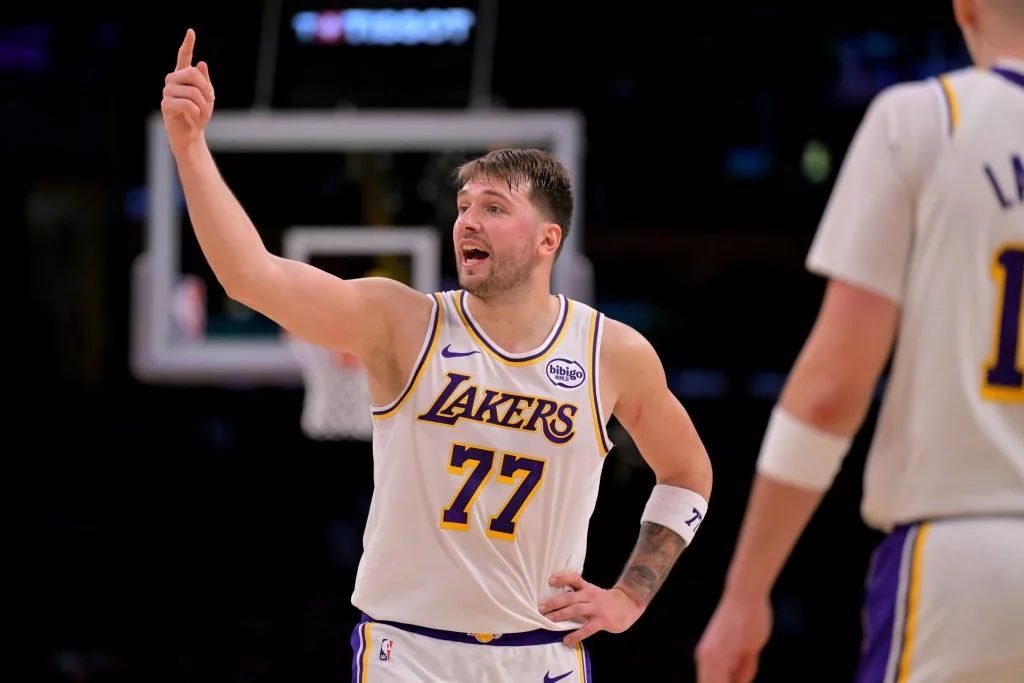
Luka Dončić's return to Dallas as a member of the Los Angeles Lakers created the emotional frame for the night. The crowd reacted to every touch. The cameras followed him relentlessly. For casual viewers, the game felt like a story about memory and tension. For bettors, it became something else entirely. It turned into a clear example of how NBA betting markets can misread control when they focus on margin instead of how a game is actually being played
With 7 minutes and 40 seconds remaining in the fourth quarter, the Lakers trailed by 15 points. At that moment, live sportsbooks priced Dallas between -900 and -1200 on the moneyline, depending on the operator. That pricing implied a very high win probability for Dallas. Los Angeles drifted into the +650 to +800 range, a price typically reserved for games that are effectively over.
The problem was that the game had already begun to shift before the odds reflected it.
Before tipoff, the Lakers closed as small road favorites. Most books listed Los Angeles at -3.5, with a closing total around 233.5. Those numbers matter because they show how oddsmakers rated the teams in equilibrium. The live market erased that baseline once Dallas built a double-digit lead, even though the underlying conditions that created the lead were already deteriorating.
Key Takeaways
The Lakers secured a comeback victory over the Mavericks in a game that highlighted how betting markets often misread control based on margin rather than the actual game play.
- Despite trailing by 15 points in the fourth quarter, the Lakers' comeback began as Dallas' offense slowed down, leading to inefficiencies and wasted possessions.
- Substitutions by Lakers coach JJ Redick, including a smaller, switch-heavy lineup, allowed the Lakers to capitalize on defensive flexibility and spacing, outscoring the Mavericks significantly in the final minutes.
- Player prop bets, particularly for Luka Dončić and LeBron James, provided earlier signals of the shift in momentum compared to live spreads, illustrating the importance of understanding possession quality over just the scoreboard.
When the live line overstated control
The Mavericks' late lead came with visible warning signs. Dallas slowed its offense dramatically, leaning into isolation and late-clock creation. That approach is often framed as "controlling the game," but it only works if efficiency holds. It did not.
From the eight-minute mark to the final buzzer, Dallas scored 7 points on 9 possessions. Over the same span, the Lakers scored 20 points on 16 possessions. That efficiency gap alone on possession explains the comeback without needing any extraordinary shooting.
Live spreads lagged behind those changes. Even after the Lakers cut the deficit to nine, several books still listed Dallas Mavericks Odds as heavy favorites at -6.5 . When the margin dropped to five, Dallas remained favored. But bettors who focused on possession quality instead of just the scoreboard could spot different value before the market adjusted.
As Dallas' offense slowed, sportsbooks lowered their live totals, reflecting an expectation of fewer points late. However, the Lakers kept pushing the pace and finding good shots. For a brief stretch, the market and the game were no longer aligned.
The lineup shift that broke the model
The turning point came with substitutions, and you could see it in the late swing on the Los Angeles Lakers Odds. Lakers coach JJ Redick leaned into a smaller, switch-heavy lineup built around Luka Dončić, LeBron James, and Rui Hachimura late in the fourth quarter, prioritising spacing and defensive flexibility.
For bettors, lineups matter because they change error rates. This group allowed the Lakers to switch defensively without confusion and handle the ball without panic. Dallas struggled to initiate offense. Entry passes arrived later. First actions stalled. Shots came under pressure.
During this stretch, Dallas' ball security deteriorated noticeably, leading to wasted possessions. Shot attempts shifted farther from the rim. Meanwhile, the Lakers generated three catch-and-shoot three-point attempts and four paint touches in their first five possessions with that lineup. Those are high-value looks that raise scoring stability.
The market reacted slowly. Live moneylines did not meaningfully adjust until the Lakers had already erased more than half the deficit. By the time odds reflected a true toss-up, the best prices were gone.
Player props confirmed the shift earlier than spreads
Prop markets revealed the change before spreads did. If you’re building a slate-based card alongside live angles, Best NBA Player Props Today: is a useful companion for spotting the cleanest roles and matchup-driven looks.
Luka Dončić's points prop closed high due to the return narrative. Live overs remained popular as he scored efficiently early. During the fourth quarter, his live points prop peaked at 36.5.
Over the final seven minutes, Dončić scored 4 points on 5 shot attempts. His usage stayed high, but efficiency dropped as defensive pressure increased. His live assist prop told a similar story. After reaching 10 assists early in the fourth, he recorded just one more as Dallas' offense stagnated.
On the Lakers' side, LeBron James' live assists prop moved from 7.5 to 8.5 midway through the fourth quarter. He finished with 9 assists, with three coming during the comeback as Dallas collapsed defensively to stop drives.
Rui Hachimura's three-point prop offered one of the clearest signals. His live line sat at 1.5 made threes entering the fourth quarter. He hit two catch-and-shoot threes during the comeback, both from the right wing, both created by defensive overcommitment on Dončić and James.
Rebounds props shifted as well. With smaller lineups on the floor, long misses became more common. Guards and wings accounted for 6 of the final 9 rebounds. Bettors who played guard rebound overs benefited from the pace increase and shot profile change.
Why made shots can mislead bettors
One of the most common betting mistakes is reacting to made shots instead of understanding how those shots were created. A basket goes in and it feels decisive. But sustainable offense matters more than momentary results.
Hachimura's late threes mattered because they came from defensive compromises. Those shots were repeatable. Dallas' misses came from late-clock attempts under pressure. Those misses were expected.
Markets often react to outcomes rather than process. By the time results show up on the scoreboard, pricing efficiency is already gone.
The bias around big leads
Large leads create psychological certainty. Many bettors assume a double-digit advantage late equals control. Sportsbooks understand this bias and shade odds accordingly. The same certainty bias shows up in futures and awards pricing, especially in NBA MVP Odds when narrative starts to outweigh process.
The Lakers defended without fouling, which kept the clock running. Each empty possession of Dallas quietly increased pressure. Even though the lead looked comfortable, the margin for error shrank rapidly.
Dallas leaned on individual creation instead of forcing rotations. Against a switching defense, that approach increases difficulty rather than certainty. The scoreboard eventually caught up to what the numbers were already showing.
This game offers a clear betting example wherein late leads matter less than how points are being created. Possession quality, lineup stability, and defensive pressure matter more than margin. Bettors who understood that difference found value before the odds adjusted. For a broader league-wide view of how these market patterns show up at this point in the calendar, see NBA midseason breakdown: team trends, star players, and betting odds.
-
NBA DPOY Odds and Predictions for 2026: Can Anyone Challenge Wembanyama?
-
Panthers RB Jonathon Brooks Slated for Surgery, IR Stint
-

VegasWay Sweepstakes Casino Partners With Sneaky Slots: Play 3 New Games
-
MLB Home Run Props and Predictions Today: Top Player Props for Sept. 23
-

Presidents Cup Props & Parlay Picks for 2026: Sam Burns Time
-
‘America’s Got Talent’ Finale Prediction Markets: Nene Royal Leads