Early Sharp Money Movers: Who’s Influencing the Lines?
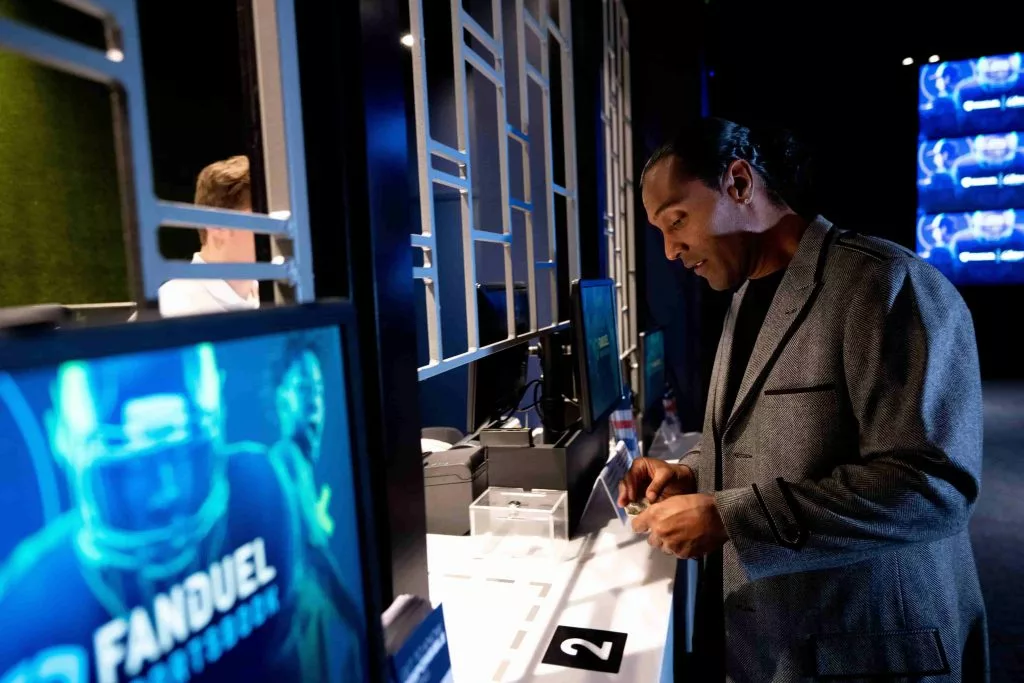
The early Super Bowl LX betting market has moved the way Super Bowl markets usually move on the surface, but the details of how it's moved point to something more specific. Sportsbooks are clearly respecting certain pockets of action, even as the public side becomes obvious between the Seattle Seahawks and New England Patriots on the very last NFL Sunday of the season.
How the Spread Moved, Then Hit Resistance
Seattle opened as a 3.5-point favorite, a number that was quickly bet up across the market. The spread reached -4.5 early in the betting cycle, signaling immediate support for the Seahawks. From there, the market continued to test higher ground, with Reuters reporting that some sportsbooks briefly touched -5 as the week progressed.
That movement aligns with where recreational bettors tend to land in the biggest game of the year. In the same Reuters snapshot, Seattle was drawing 55% of spread tickets and 61% of spread money, a profile that fits the public-favorite mold. But the sharper tell isn’t that the number moved.
It’s what happened after it moved.
Despite continued Seattle interest, sportsbooks have been reluctant to live at -5 for long, repeatedly pulling the number back or adjusting juice instead of allowing further drift. That kind of hesitation is rarely driven by public behavior. It’s typically a sign that respected money has already staked out the opposing side at key prices, creating resistance that books are unwilling to ignore.
The Moneyline Is Where Sharps Have Left the Loudest Fingerprints
The clearest signal of that resistance has come in the moneyline market. While Seattle has attracted broader interest to win outright, the distribution of how those bets are being placed paints a different picture. Reuters noted that although 67% of the money was on Seattle’s moneyline, 66% of the moneyline bets were on New England, a split that suggests fewer wagers of larger size backing the underdog.
That influence became impossible to miss when a sportsbook accepted a $1.1 million bet on the Patriots moneyline at +188. A seven-figure wager at a sharp-facing book isn’t treated as noise. It immediately creates liability, and it often changes how aggressively sportsbooks respond to public demand elsewhere on the board.
This is also where reverse line movement in a Super Bowl market tends to show up in less obvious ways. Rather than the spread flipping direction outright, it appears through restraint, like a line refusing to move higher despite lopsided tickets, a number briefly touching a peak and snapping back, or pricing adjustments replacing full-point changes. In a market this liquid, that kind of resistance is often the clearest sign that sportsbooks believe sharper money is waiting on the other side.
The Total Has Quietly Been the Cleanest Sharp Signal
If there’s one area where sharp influence has been the most consistent, it’s the total. While casual bettors often gravitate toward overs on the sport’s biggest stage, mostly because it's more fun to cheer for, the Super Bowl LX total has quietly moved the other way. After opening at a point total around 46.5, that's been knocked down a point to a point and a half, with some sportsbooks now being as low as 45.
From the sportsbook perspective, the approach has been consistent. Rather than reacting to every wave of public betting, books appear focused on protecting themselves against numbers that respected bettors have already identified. That’s why the market has stabilized where it has: a spread that moved early but stalled near its ceiling, a moneyline reflecting sharp disagreement, and a total that has quietly respected professional input.
As kickoff approaches, the most telling signals won’t necessarily be dramatic late-week swings. They’ll come from how the market behaves if public betting intensifies. If Seattle continues to dominate ticket counts without pushing the spread higher, if New England’s moneyline keeps tightening despite fewer bets, or if the total resists an over push, it will reinforce what the early market has already shown.
In the Super Bowl, the public creates the noise. The numbers themselves, though, still tell the story of who sportsbooks are listening to most.
-
Pistons vs. 76ers Prediction, Odds and Props for Oct. 25: Philadelphia Stays Unbeaten
-
Anytime Touchdown Scorer Picks Today 10/25: 5 NFL Week 7 Bets
-
Chiefs vs. Seahawks Prediction, Odds & Picks for Oct. 25: AJ Barner Shines
-

Zula Sweepstakes Casino Adds 5 New Halloween Slots: Get Spooky Free Spins
-
SNF Week 7 NFL Parlay Picks & Player Props: Chiefs vs. Seahawks in Primetime
-
Houston vs. Utah Prediction, Odds & Picks for Oct. 24: Big 12 Supremacy At Stake