Despite Competition on Christmas Day the NBA & NFL Both Have Successful Viewership Strategies
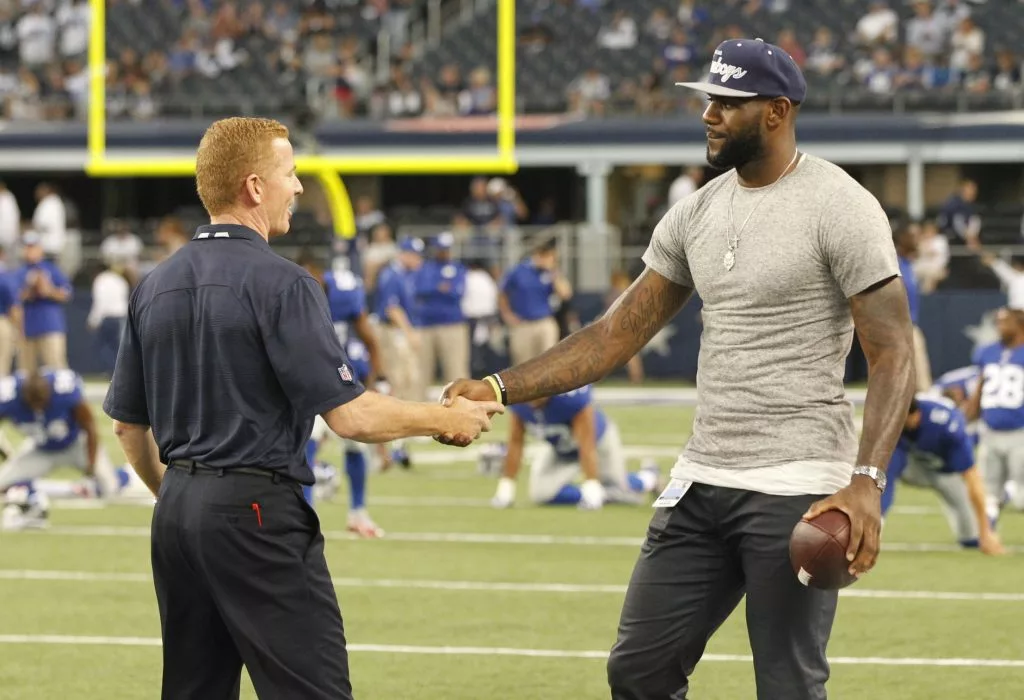
Every Christmas Day, both the NBA and the NFL present premier matchups to their respective audiences on one of the biggest sports slates of the calendar year. And when you step back and consider the market of these two leagues and the audience of these two leagues, it’s clear why Christmas has become a bit of a battle. A huge chunk of the audience overlaps, but there’s also just enough separation to create different viewing habits. Add in the fact that the two leagues take two different approaches when marketing their slate, and it becomes a yearly chess match for attention inside American living rooms.
The overlap is real. Plenty of households consume both the NBA and NFL. But Christmas is not a normal sports day where one person sits down and watches from start to finish. It’s communal and chaotic. People are cooking, opening gifts, having conversations, pulling up a second screen and more.
Because of that, which sport makes it on the TV isn’t always the league someone prefers. A lot of the time, it comes down to what becomes the default screen in the house, and that often depends on something as simple as who is playing.
Regionally across the United States, irrespective of which league someone typically watches more, local gravity matters. If you’re more of an NFL person, but you live in New York, and the next game up is a Knicks Christmas showcase, it might be on anyway because it’s familiar, local and part of the day’s rhythm.
If you’re more of an NBA person but a huge NFL brand is playing, you’re going to feel that pull too. Certain teams don’t just represent fans, they represent markets, and on a holiday where families gather, that market identity can matter more than personal preference. The remote often follows whatever feels most relevant to the room.
That’s where the two strategies really separate. The NFL generally goes with lower volume and punchier windows. It’s essentially an event-style slate, including an early kickoff, a mid-afternoon start and then a night game. It’s clean, it’s easy, and it fits how people consume sports on a holiday. You don’t have to commit to a full day. You pick a window, and it feels like you participated in something major. That structure also makes it easier for the NFL to dominate the ceiling battle on Christmas. Fewer games means each one is positioned like a tentpole moment, and the league’s national pull tends to create the biggest single spikes of the day.
The NBA, on the other hand, plays a longer game. It’s a higher volume spread across a much longer stretch, and that has both obvious pros and cons. It’s harder to captivate any one audience over 12 or 13 hours because attention naturally drifts. But the volume increases the odds of peaks. The NBA can cater to double-digit markets and multiple fandom pockets because more teams are represented and more windows exist. If the noon game doesn’t hook you, maybe the late afternoon one does. If you miss one because family stuff pops up, another is right behind it. The NBA’s slate is built to catch people at different times of day rather than betting everything on one moment.
This is also why the NFL’s lower volume, higher interest approach can look like it’s winning even when the NBA is still doing something effective. In a year where the NFL has three games, it’s true that only six markets are directly represented. But the NFL doesn’t need 12 markets to pull viewers. It typically wins the peak battle because it’s engineered for appointment viewing and it has a stronger habit loop for casual fans.
NFL Christmas games tend to be higher in raw viewership than the average NBA Christmas game. That’s not an indictment of the NBA, it’s just a reminder that the NFL’s product is built to create a national moment.
At the same time, there’s a way the NBA can “win” without having the higher peak. Over the course of an entire day, the NBA can pile up total hours watched, social chatter across multiple games and the feeling that Christmas is an NBA tradition from start to finish. That’s the difference between a league trying to win one giant window and a league trying to own the day’s rhythm. The NFL can have the highest peak at 7:30 p.m., while the NBA still feels like it was everywhere from noon until midnight.
Platform matters too, and it matters in a very specific way on Christmas. When the NFL puts games on a unique platform like Netflix, it changes the barrier of entry. Netflix is one of the most common streaming services in the country, and on a holiday when families are gathered, there’s a good chance someone in the house has it and can pull it up quickly. But it’s still a different experience than turning on a traditional national network broadcast that’s just there by default. On Christmas Day, where a lot of viewing is casual and communal, convenience matters. If it takes even a couple extra steps, some percentage of households will drift toward what’s easiest in the moment.
So the battle between the NBA and NFL isn’t just which league is bigger. It’s about who’s playing, what regions are being captured, how the day is structured and how easy it is to access the product in a living room full of people. It’s also why, despite the competition, the reality is that both approaches can work. If it didn’t work, the leagues wouldn’t keep doing it. Instead, we’ve reached a point where the NBA starting earlier and finishing later, while the NFL concentrates attention into fewer premier windows, creates a full-day ecosystem that serves different viewing styles.
And for sports viewers, especially those leveraging sports betting apps, that’s the best possible outcome. Whether you’re flipping back and forth, pulling up multiple screens or just letting the slate run in the background as the holiday unfolds, Christmas becomes one of the best sports consumption days of the year. It’s packed with recognizable teams, stars, storylines, and momentum, and it turns a single date into a full-day schedule where there’s almost always a meaningful game on.
-
Pistons vs. 76ers Prediction, Odds and Props for Oct. 25: Philadelphia Stays Unbeaten
-
Anytime Touchdown Scorer Picks Today 10/25: 5 NFL Week 7 Bets
-
Chiefs vs. Seahawks Prediction, Odds & Picks for Oct. 25: AJ Barner Shines
-

Zula Sweepstakes Casino Adds 5 New Halloween Slots: Get Spooky Free Spins
-
SNF Week 7 NFL Parlay Picks & Player Props: Chiefs vs. Seahawks in Primetime
-
Houston vs. Utah Prediction, Odds & Picks for Oct. 24: Big 12 Supremacy At Stake