Canadian Psychological Association Calls for Ban on Canadian Sports Betting Ads
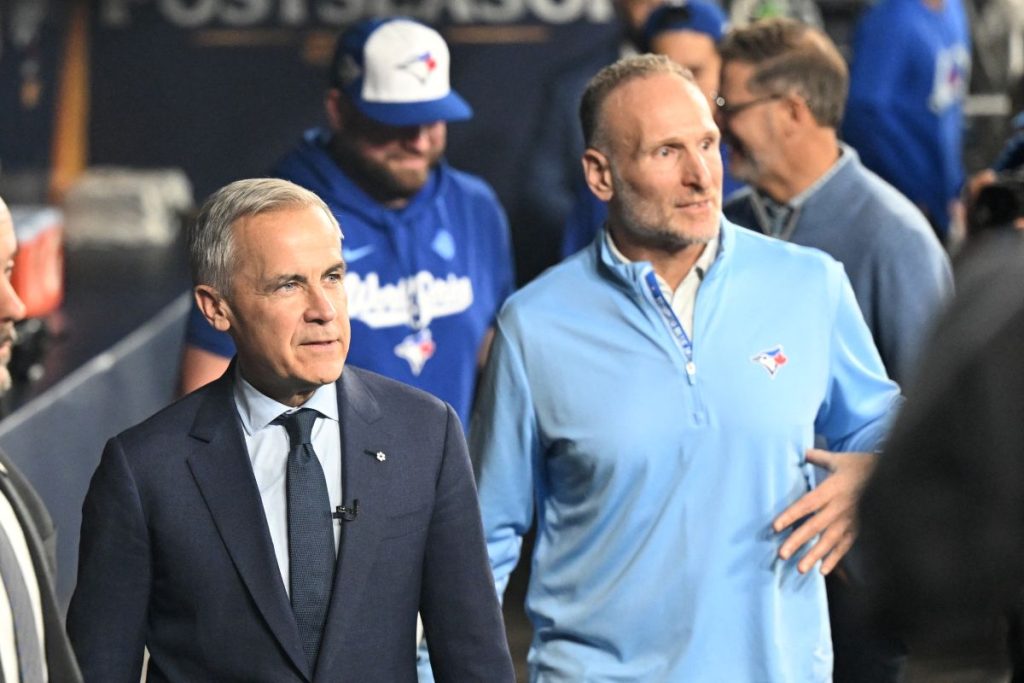
As the government considers a federal ban on Canadian sports betting ads, a prominent psychologist believes Ottawa isn’t moving fast enough.
Bill S-211, which would force the government to create a national framework on sports betting advertising, cleared a second reading in the House of Commons on Nov. 4. But with its current amendments, the federal government would have two years to set up the framework for a ban.
According to Dr. Steven Joordens, a spokesman for the Canadian Psychological Association, that’s nowhere near quick enough to address concerns. He argues that the bill has already been under debate for two years, and action is necessary.
Specifically, he wants the ads banned now, given how prevalent Canadian sports betting ads are on broadcasts and at arenas.
“(Youths are) much more likely to be exposed to sports in the first place, much more likely to play the sport,” Joordens said. “(This) means first and foremost that they're much more likely to be exposed to marketing, because you can't get close to sport without being exposed to it.”
What Is Happening Concerning Canadian Sports Betting Ads?
At the moment, the debate in Ottawa involves maintaining the current system of provincial control, or letting the federal government restrict advertising across Canada.
That’s a sticking point in the House of Commons. Since 1985, Canada has ceded control of gambling to the provinces, which let each create their own structure. For decades, each province exercised government control over all forms of gambling, giving one option for each province.
That changed in 2022, when Ontario opened up its gambling markets to competition after discovering many players were using unregulated websites. Alberta followed in 2026, and both provinces now have lots of gambling providers in operation.
The rise in regulated gambling providers has included a rise in Canadian sports betting ads. That’s been a problem in other provinces, which have seen ads from provinces where it’s legal. For example, national broadcasts from Ontario can result in sports betting ads intended for that province showing up in Manitoba, Quebec and other provinces.
“In British Columbia, we receive advertising from Ontario, as well as in Prince Edward Island and the North,” said Sen. Marty Deacon of Waterloo, the sponsor of Bill S-211. “So we see that our provincial jurisdiction has lost some of its importance as the patterns of exposure to this phenomenon have evolved.”
What Are Opponents Saying?
Opponents of Bill S-211 believe that this shouldn’t be a federal issue. According to Paul Burns of the Canadian Gaming Association, other nations such as Italy have already tried this route. In an op-ed in February, Burns argued that Italy found a federal approach confused its citizens as to what was legal and what wasn’t.
Instead, Burns believes that provincial governments are the best choice for regulating Canadian sports betting ads.
“The provinces have put in place regimes that are tailored to their own priorities,” Burns said. “So we think they still have the best tools to do that.”
Unsurprisingly, Ontario and Alberta have put up the strongest opposition to Bill S-211. If it were to pass, both provinces could lose millions in advertisement dollars.
What Will Come From This?
The federal government doesn’t seem to want to rush into any decisions. The recent amendments to move the timeline on a framework for Canadian sports betting ads suggest that prime minister Mark Carney’s government is most concerned about the right decision, rather than a fast one.
Despite Joordens’ recommendations, it would be a surprise to see any framework in place before 2028. Most likely, the federal government will take its time to decide on its best path.
-

Canadian Psychological Association Calls for Ban on Canadian Sports Betting Ads
-

Tarik Skubal's Free Agency Contract Demands Revealed
-
Best NBA Player Props Today 11/13: Big Time Friday Prop Action
-
Toronto Raptors Are Now Below .500 with Another Loss
-

Blue Jays Expected to Meet With Top Free Agent Pitcher
-

Raptors vs. Celtics Prediction, Odds and Props for Nov 11: Celtics Stay Hot