Bill on Gambling Advertisements Under Consideration in Parliament
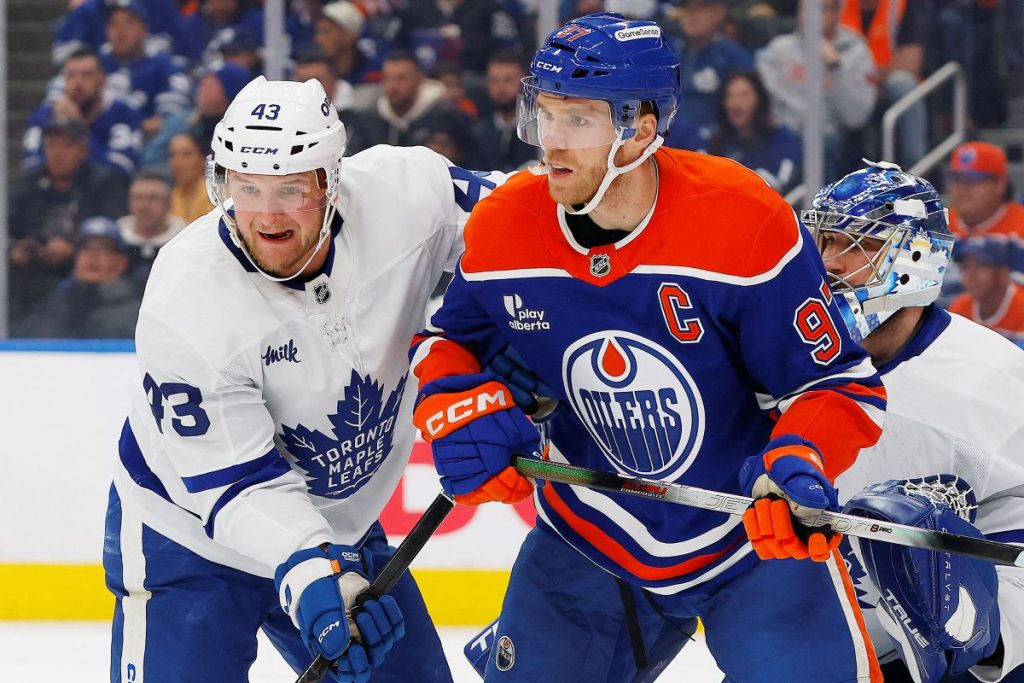
One of sports fans’ biggest criticisms of watching games on television has been the abundance of gambling advertisements. If an upcoming vote goes a certain way, most of those ads might disappear.
Canada’s Parliament is set to consider Bill S-211, which would require the federal government to create a national standard for gambling advertisements. In short, this could result in restrictions of sports betting and iGaming ads during National Hockey League and Professional Women’s Hockey League broadcasts, as well as other restrictions.
Importantly, the bill wouldn’t result in immediate restrictions on betting ads. The bill simply requires both the federal government and the Canadian Radio-television and Telecommunications Commission (CRTC) to review their standards and produce a report within a year after its passage.
If any changes are made off of that report, the government would then be required to follow up within five years and determine if their changes have been effective.
How Is the Vote on Gambling Advertisements Likely to Go?
It’s unclear, as much will depend on whether provinces’ representation stand united or splinter off. One major stumbling block is that Ontario and Alberta, the two provinces that have fully regulated private gambling markets, have come out in opposition to Bill S-211.
Ontario attorney general Doug Downey has said that he believes advertisements should be regulated at the provincial level, and Ontario has already put in its own framework on gambling advertisements. Downey said that was part of building Ontario’s legal gambling market in 2022, and the province doesn’t need federal oversight.
However, MP Bardish Chagger (Liberal-Waterloo), the bill's main sponsor, doesn’t believe Ontario has gone far enough.
“People are being impacted in a very harmful way,” she said to CBC News. “They are losing their livelihoods, they're losing their homes, they're losing their savings, they're losing their lives.”
Why Has the Bill Come Up for Debate?
In short, people feel overwhelmed by gambling advertisements. Per a recent study during the 2026 NHL playoffs, researchers found that viewers saw two to three gambling ads per minute. These have taken the form of traditional commercials, in-game promotions, board signage and more.
Most NHL and NBA teams have a sportsbook partner, and their advertisements can usually be seen both in the arena and on the broadcast. This differs from many other countries, where sportsbooks can only advertise after a certain time of day.
Why Do Ontario and Alberta Oppose the Bill?
If the bill passes, Ontario and Alberta could potentially lose out on revenue from advertisers. The other provinces aren’t currently affected by this. In most provinces, all gambling takes place through their government-run sportsbook and iGaming provider. But Ontario and Alberta both have around 50 operating providers each, and any can advertise during events.
Between them, Ontario and Alberta control 159 seats in the House of Commons. That’s not quite enough to block the bill, and a few such as Chagger will vote in favor of it. However, recent elections elsewhere could change Bill S-211’s fortunes.
Currently, Quebec doesn’t offer gambling outside of government-run Loto-Québec. But with the election of Paul St-Pierre Plamondon’s Parti Québécois in October’s elections, Quebec could shift its position. Plamondon has said he planned to pursue opening up gambling in Quebec the same way Ontario and Alberta had. That might shift some of Quebec’s MPs to oppose Bill S-211, which could help defeat it.
-

Bill on Gambling Advertisements Under Consideration in Parliament
-

Toronto’s Playoff Ambitions Dealt a Huge Blow After Defeat in Ohio
-

Raptors vs. Timberwolves Prediction, Odds and Props for Oct. 25: Toronto W
-

Can Toronto Extend Unbeaten Run in MLS?
-

Maple Leafs vs. Oilers Prediction, Odds and Props for Oct. 24: Edmonton W
-

Versatile Davies Impresses Against Arsenal